
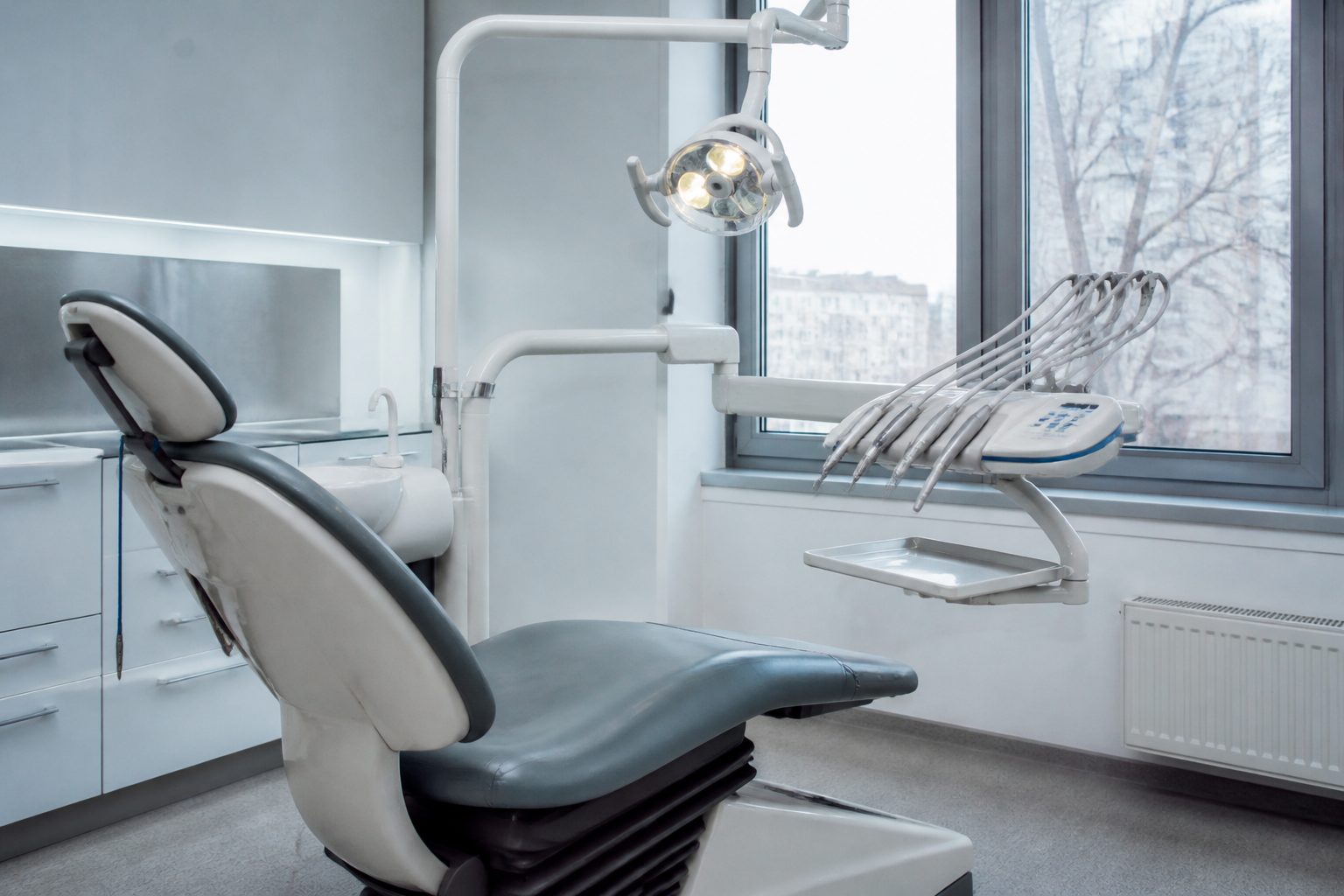
This guide is for patients and families considering dental implants abroad. It compares costs in 10 countries, highlights what’s included, and outlines extra expenses you should expect.
Dental implant prices range from $800 in India and Turkey to over $4,000 in the US. We break down what you get for your money, typical add-ons, and how to choose a reliable clinic for safe treatment.
What is a dental implant and what does the price include?
A dental implant is a sophisticated, long-lasting solution for replacing missing teeth. It consists of three main components: the implant post (usually made of medical-grade titanium), which is surgically inserted into the jawbone to serve as an artificial tooth root; the abutment, which connects the implant to the visible restoration; and the crown, bridge, or denture, which mimics the look and function of a natural tooth. The process typically requires two or more visits over several months, allowing the implant to integrate with the bone (osseointegration) before the final restoration is placed.
When clinics advertise dental implant prices, there is often considerable variation in what is included. In popular dental tourism countries like Mexico, Turkey, and Hungary, a quoted price may refer only to the implant post itself, or it may cover the entire package: implant, abutment, and standard crown. Some clinics also include initial consultations, panoramic X-rays, and follow-up visits in the standard price. However, additional procedures—such as extractions, bone grafting (to increase bone volume), sinus lifts (to create space for implants in the upper jaw), or temporary teeth—are usually extra. Advanced imaging like 3D CT scans is often billed separately, even though it is crucial for precise implant placement.
Other potential costs include medications, sedation or anesthesia, and aftercare appointments. The type of crown (porcelain, zirconia, or metal-ceramic) can also affect the price. Always ask the clinic for a detailed, itemized quote that outlines exactly what is included and what may incur extra charges. This transparency helps you avoid unexpected expenses and ensures you understand the full scope of your treatment before you commit to dental travel.
Dental implant cost comparison in 10 countries
Below is a summary of typical single-tooth dental implant package prices in major dental tourism destinations, as well as the US and UK for reference. Prices are for a standard titanium implant, abutment, and porcelain crown, unless otherwise specified. All figures are indicative and can vary based on clinic, dentist experience, and patient needs.
| Country | Typical cost (USD) | Local currency | What’s usually included |
|---|---|---|---|
| India | $800–$1,200 | ₹67,000–₹100,000 | Implant, abutment, crown; consult; basic X-ray |
| Turkey | $900–$1,400 | ₺29,000–₺45,000 | Implant, abutment, crown; some clinics include airport transfers |
| Mexico | $1,000–$1,800 | MX$18,000–MX$32,000 | Implant, abutment, crown; panoramic X-ray |
| Thailand | $1,200–$2,000 | ฿44,000–฿74,000 | Implant, abutment, crown; basic consultation |
| Hungary | $1,200–$1,900 | €1,100–€1,700 | Implant, abutment, crown; digital planning |
| Poland | $1,000–$1,700 | PLN 4,000–PLN 7,000 | Implant, abutment, crown; consultation |
| Spain | $1,600–$2,200 | €1,500–€2,000 | Implant, abutment, crown; basic imaging |
| Philippines | $1,200–$1,800 | ₱67,000–₱100,000 | Implant, abutment, crown; some clinics include follow-up |
| UAE (Dubai) | $2,000–$3,500 | AED 7,400–AED 13,000 | Implant, abutment, crown; digital scan |
| United States | $3,500–$4,800 | USD | Implant, abutment, crown; consultation |
| United Kingdom | $3,200–$4,500 | £2,500–£3,500 | Implant, abutment, crown; some clinics include CT scan |
What can affect your total cost?
Several factors can increase or decrease the price you pay for dental implants abroad. The biggest variables include:
- Additional procedures: Bone grafts ($200–$1,000), sinus lifts ($300–$1,500), or tooth extractions ($50–$300) may be needed if your jawbone isn’t ready for implants.
- Number of implants: Discounts are often available for multiple implants or full-arch treatments, but the total cost rises accordingly.
- Materials: Premium brands (e.g., Nobel Biocare, Straumann) and zirconia crowns cost more than standard titanium and porcelain options.
- Clinic reputation and location: Clinics in city centers or with international accreditations may charge more.
- Follow-up visits: Some clinics include post-op checks, while others charge separately or expect you to see a local dentist at home.
Always request a written quote that lists all foreseeable costs, and ask about potential extras specific to your situation.
What is and isn’t included in typical prices
When comparing dental implant prices abroad, it’s essential to understand exactly what is included in the advertised cost. Most international clinics quote a price that covers the core components: the titanium implant post (surgically placed in the jawbone), the abutment (the connector between the implant and the crown), and a standard porcelain or zirconia crown (the visible tooth). Initial consultations and basic panoramic X-rays are frequently included in the package, especially in popular dental tourism destinations like Mexico, Thailand, and Hungary.
However, many necessary procedures and services are often excluded from the base price. Advanced imaging such as 3D CT scans—crucial for precise implant placement and bone assessment—are usually billed separately. If you require preparatory work, such as tooth extractions, bone grafting, or sinus lifts (common for patients with insufficient bone volume), these will add several hundred to over a thousand dollars to the total bill. Sedation or general anesthesia, if needed, is another extra cost. Medications (antibiotics, painkillers), temporary teeth or provisional crowns, and post-surgery checkups may also not be included in the initial quote.
Non-medical expenses are almost never included in dental packages. This means you should plan for travel (flights, trains, or buses), accommodation, meals, and local transportation. Some clinics, particularly in Turkey, Hungary, or Poland, may offer perks such as free airport transfers, local transportation, or discounted hotel rates for international patients. Occasionally, clinics provide a liaison to help with logistics or translation services, but these are not guaranteed. Always read the fine print and request a detailed written estimate outlining all included and excluded items before making any commitments. This will help you avoid unexpected costs and ensure a smooth treatment experience abroad.
How to choose a dental clinic abroad
Selecting a dental clinic in another country requires careful research and a clear understanding of what constitutes a reputable provider. Start by focusing on clinics that demonstrate transparency in pricing, have experienced staff, and offer robust patient support. Here are key factors to consider:
- Accreditation: Look for clinics accredited by respected international organizations such as the Joint Commission International (JCI), ISO, or national dental associations (for example, the Turkish Dental Association, Mexican Dental Association, or Hungarian Medical Chamber). Accreditation ensures the clinic meets strict standards for safety, hygiene, and patient care.
- Dentist qualifications: Investigate the credentials and experience of the lead dentist and surgical team. Ask about their training, certifications in implantology, and the number of successful implant cases they have completed. Many top clinics display dentist profiles and credentials on their websites.
- Patient reviews: Read independent reviews on platforms like Google, Trustpilot, or dental tourism forums. Look for patterns in feedback, paying attention to both positive and negative comments. Request before-and-after photos and, if possible, contact former patients for firsthand accounts.
- Language support: Ensure the clinic offers services in your preferred language or provides professional interpreters. Miscommunication can lead to misunderstandings about treatment plans, costs, and aftercare.
- Aftercare: Ask about what post-surgery support is available, both while you are in the country and after you return home. Find out if the clinic offers a warranty on implants and crowns, and what procedures are in place if complications arise. Some clinics partner with local dentists in your home country for follow-up care.
Before booking, request a video consultation if you cannot attend an in-person assessment. This allows you to discuss your dental history, expectations, and suitability for implants directly with the dentist. Ask for a detailed written treatment plan and cost breakdown. By taking these steps, you can minimize risks and increase the likelihood of a successful, stress-free dental tourism experience.
How to save money safely on dental implants
Saving money on dental implants without compromising on safety or results requires a strategic approach. Here are practical, proven ways to reduce your costs while maintaining high standards of care:
- Travel during low season: Many dental tourism destinations, such as Thailand, Mexico, and Spain, have peak and off-peak times. Clinics may offer lower prices on procedures and accommodation during quieter months, often between late spring and early autumn. Booking flights and hotels in advance can also secure better rates.
- Look for package deals: Some clinics offer bundled packages that include multiple implants, all-on-4 or all-on-6 full arch restorations, or combine implants with other dental work like crowns or veneers. These packages can provide significant discounts compared to booking procedures individually. Always check what’s included—some packages may also cover airport transfers or local transportation.
- Group travel: Traveling with a companion, friend, or family member can help split hotel, transportation, and even some meal costs. Some clinics offer group discounts or special rates for referrals, so inquire about these options when booking.
- Ask about payment terms: For larger or more complex cases, ask if the clinic offers staged payments, financing options, or interest-free installment plans. This can make treatment more affordable and manageable, especially for full-mouth restorations or multiple implants.
- Compare multiple quotes: Obtain at least three detailed written quotes from different clinics, ideally in different countries. Compare what is included, the brands of implants used, and the qualifications of the dental team. Be cautious of prices that are significantly lower than the average, as this may indicate shortcuts in materials, technique, or safety standards.
Above all, never compromise on critical factors such as sterilization protocols, the reputation of implant brands (such as Straumann, Nobel Biocare, or Zimmer), or the experience of the surgeon. Saving money is important, but not at the expense of your health or the long-term success of your dental implants. Prioritize clinics with transparent pricing, strong patient support, and verifiable credentials to ensure your safety and satisfaction.
Hidden costs and fine print to watch for
Be alert to potential extra costs not included in the advertised price. These may include:
- Consultation or diagnostic fees: Some clinics charge separately for initial exams, X-rays, or CT scans.
- Temporary teeth: If you need a temporary crown or denture during implant healing, this can cost $100–$500 extra.
- Follow-up care: Post-surgery checkups or adjustments may not be included, especially if you return home before healing is complete.
- Unexpected procedures: If bone grafting or sinus lifts are needed, these add to the total.
- Travel changes: Implants often require two visits months apart; factor in possible extra travel costs if plans change.
Always confirm in writing what is and isn’t included, and keep a copy of all correspondence and payment receipts.
Planning your dental trip: timeline and logistics
Dental implants are usually placed in two stages. The first visit involves placing the implant post, after which you return home for three to six months while the implant integrates with your bone. The second visit is for placing the abutment and crown. Some clinics offer “immediate load” implants (teeth in a day), but these are only suitable for certain cases and may carry additional risks.
Plan for a first stay of three to five days for surgery and initial healing, and a second stay of four to seven days for the final restoration. Book flights with flexible change policies in case your healing takes longer than expected. Ensure your passport, visa, and travel insurance are in order, and bring copies of your dental records and any recent X-rays.
Bottom line: is dental tourism worth it for implants?
Dental tourism—traveling abroad for dental procedures—can significantly reduce the cost of dental implants, with typical savings of 50–70% compared to prices in countries like the US, UK, Canada, or Australia. For example, while a single implant may cost upwards of $3,000 in the US, the same procedure could be $900–$1,500 in countries such as Mexico, Turkey, or Thailand. These savings are possible due to lower labor costs, operational expenses, and sometimes government incentives for medical tourism in destination countries.
However, the true value of dental tourism depends on several key factors. First, travelers must add the costs of flights, accommodation, meals, and local transportation to the advertised dental price. For instance, a week-long stay in Budapest or Istanbul, including flights from Western Europe, may add $700–$1,200 to the total bill. Second, you should consider the need for multiple trips—many implant procedures require two visits several months apart for healing and final placement. This can double travel costs and time away from work or family.
Quality and safety are paramount. Many clinics abroad meet or exceed international standards, but not all do. It’s crucial to thoroughly research clinics, verify dentist credentials, and check for international accreditations (like JCI or ISO). Additionally, ask for a written treatment plan, check what warranties are offered, and clarify how aftercare or complications will be handled—especially once you’re back home.
If you have complex dental needs or underlying medical conditions such as diabetes, bleeding disorders, or immune issues, consult your local dentist and physician before making arrangements. Some patients may be better served by care closer to home, where follow-up is easier. Ultimately, dental tourism for implants can be an excellent value for many, but only with careful planning, realistic budgeting, and a focus on reputable providers.
Frequently asked questions
How many trips will I need for dental implants abroad?
Most patients require two trips: one for implant placement and a second, three to six months later, for the crown. Some clinics offer immediate-load implants, but eligibility depends on your jawbone quality and overall dental health. Discuss your case in detail in advance.
Are dental implants abroad as safe as at home?
Many clinics abroad meet or exceed international standards, but quality varies. Choose clinics with proper accreditation, experienced implantologists, and strong infection control. Ask for proof of sterilization protocols and verify dentist qualifications before proceeding.
What happens if I have a problem after returning home?
Follow-up care is important. Some clinics offer remote support or warranties, but you may need to see a local dentist for complications. Understand the aftercare policy, and budget for possible local dental visits in case issues arise after you return home.
Can I combine dental implants with a holiday?
It’s possible, but plan for downtime after surgery. Avoid strenuous activities, swimming, or long tours right after implant placement. Focus on rest and healing. A short local holiday after your final visit is usually more comfortable than after surgery.
How do I know if I’m a good candidate for implants?
Most adults with good general health and enough jawbone are suitable, but smokers, those with uncontrolled diabetes, or gum disease may face higher risks. Arrange a consultation with your dentist and share your medical history with the clinic abroad before booking.
Related guides
Disclaimer: Prices and information in this guide are indicative and vary by clinic, case, and country. Always request a written quote, confirm all inclusions, and consult a qualified dental professional before making treatment decisions.