
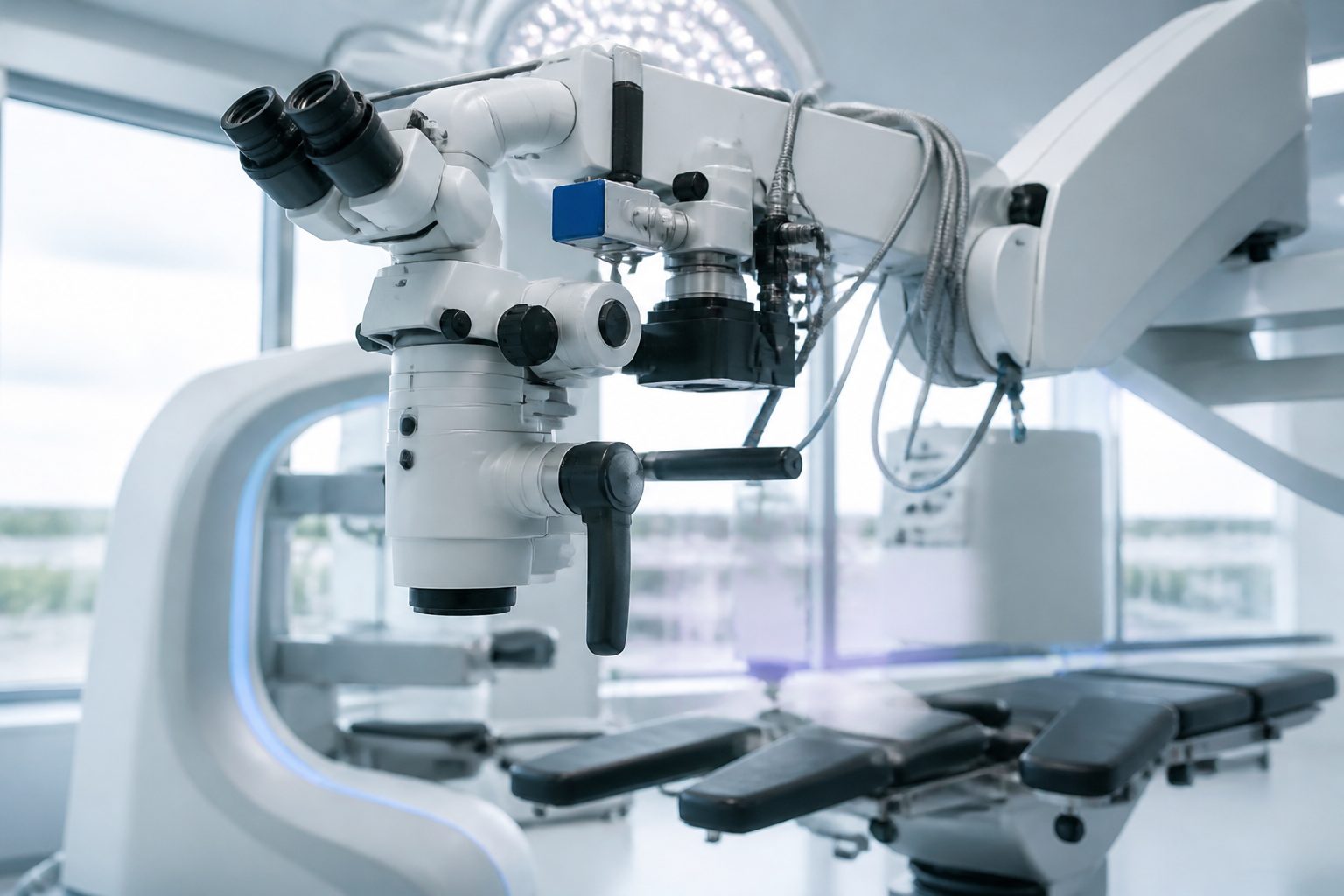
Patients comparing PRK, LASIK, and SMILE eye surgeries abroad are usually seeking clear costs, recovery timelines, and practical differences. This guide covers what to expect in leading destinations, including what’s typically included, hidden charges, and how to choose the right procedure.
For 2024, PRK costs range from $400 to $2,800 per eye, LASIK from $600 to $3,200, and SMILE from $1,000 to $3,500, depending on country and clinic. Recovery and suitability also vary. Read on for detailed comparisons to help you plan your treatment abroad.
What are PRK, LASIK, and SMILE?
PRK (Photorefractive Keratectomy), LASIK (Laser-Assisted In Situ Keratomileusis), and SMILE (Small Incision Lenticule Extraction) are three of the most widely performed refractive surgeries for vision correction worldwide. Each procedure uses advanced laser technology to reshape the cornea—the clear front surface of the eye—to correct refractive errors such as nearsightedness (myopia), farsightedness (hyperopia), and astigmatism. However, the surgical techniques, recovery experiences, and candidacy requirements differ significantly between them.
PRK
In PRK, the surgeon completely removes the thin outer layer of the cornea (epithelium), either mechanically or with an alcohol solution. An excimer laser then reshapes the underlying corneal tissue to correct the refractive error. The epithelium regenerates naturally over several days. PRK is often chosen for patients with thin corneas, surface irregularities, or those who may not be suitable for LASIK. While PRK avoids flap-related risks, it typically involves more discomfort and a longer visual recovery, with full healing taking up to several weeks.
LASIK
LASIK is the most popular laser vision correction procedure globally. The surgeon creates a thin, hinged flap in the cornea using a microkeratome blade or femtosecond laser. The underlying corneal tissue is then reshaped with an excimer laser, and the flap is repositioned to heal naturally. LASIK offers rapid visual recovery—most patients see clearly within a day or two—and minimal discomfort. However, it requires sufficient corneal thickness and carries a small risk of flap complications, such as dislocation or wrinkles, particularly in trauma-prone individuals.
SMILE
SMILE is a newer, minimally invasive alternative. Using a femtosecond laser, the surgeon creates a small, lens-shaped piece of tissue (lenticule) within the cornea, which is then removed through a tiny incision. Unlike LASIK, SMILE does not involve creating a large corneal flap, which may reduce the risk of dry eye and preserve more corneal strength. SMILE is currently approved for moderate to high myopia and mild astigmatism, but not for hyperopia. It is available in many countries, though access and cost may vary.
Understanding the differences in technique, recovery time, and suitability is essential for choosing the right procedure. Consult with a qualified refractive surgeon to determine which option best fits your eyes, lifestyle, and budget.
Cost comparison by country: PRK, LASIK, and SMILE
Laser eye surgery prices vary widely based on country, clinic, technology, surgeon experience, and what is included in the package. Below is a summary of typical per-eye prices in 2024 for major medical travel destinations. Costs are for both private and international-standard hospitals and clinics.
| Country | PRK (per eye) | LASIK (per eye) | SMILE (per eye) | What’s Included |
|---|---|---|---|---|
| India | $400-$700 (₹33,000-58,000) | $550-$950 (₹45,000-78,000) | $1,000-$1,400 (₹82,000-1.15 lakh) | Consult, surgery, 1-2 follow-ups, meds |
| Turkey | $700-$1,200 | $900-$1,500 | $1,400-$2,200 | Consult, surgery, 2 follow-ups, drops |
| Thailand | $950-$1,600 (฿34,000-57,000) | $1,250-$2,000 (฿45,000-72,000) | $1,800-$2,700 (฿65,000-97,000) | Consult, surgery, 2-3 follow-ups, meds |
| Malaysia | $800-$1,400 (RM3,700-6,500) | $1,000-$1,800 (RM4,600-8,300) | $1,700-$2,300 (RM7,800-10,600) | Consult, surgery, 2 follow-ups, drops |
| Mexico | $900-$1,500 | $1,100-$1,900 | $1,600-$2,600 | Consult, surgery, meds, 1 follow-up |
| UAE | $1,200-$1,800 (AED4,400-6,600) | $1,500-$2,200 (AED5,500-8,000) | $2,300-$3,200 (AED8,400-11,700) | Consult, surgery, 2 follow-ups, drops |
| USA | $1,500-$2,800 | $2,000-$3,200 | $2,500-$3,500 | Consult, surgery, 1 follow-up |
| UK | $1,400-$2,200 (£1,100-1,700) | $1,800-$2,800 (£1,400-2,200) | $2,200-$3,200 (£1,700-2,500) | Consult, surgery, 2 follow-ups, drops |
What is included in the price—and what is not
The advertised price for laser eye surgery can be misleading if you don’t know exactly what’s covered. In most countries, the base fee typically includes the initial consultation, the surgical procedure itself, and a limited number of follow-up visits (usually one to three within the first month after surgery). Medicated eye drops for the first week or two are often provided, and some clinics may include basic pre-surgical diagnostics—such as corneal topography, pachymetry, or dry eye screening—as part of the package.
- What is usually included: Most reputable clinics bundle the surgeon’s fee, facility charges, use of the laser, and immediate aftercare. In countries with strong medical tourism markets (e.g., Turkey, India, Thailand), packages for international patients sometimes extend to airport transfers, hotel stays, and translation services. Some clinics will also provide a written surgical summary and copies of diagnostic scans for your records.
- What is usually not included: Additional follow-up visits beyond the first month are often charged separately, especially if you need ongoing care for dry eye or other side effects. Medications for complications or prolonged healing—such as extra lubricating drops, anti-inflammatory drugs, or antibiotics—are rarely covered by the initial price. Travel, accommodation, meals, and expenses for companions are almost always the patient’s responsibility. Corrective enhancements (retreatments) if your vision is not fully corrected after the first procedure, are typically not included, with costs ranging from $300 to $1,000 per eye depending on the country and clinic. Specialized diagnostics (like wavefront analysis or advanced dry eye mapping) may also incur extra fees unless explicitly stated in your package.
Always ask for a detailed, written breakdown of what is included and excluded before booking your surgery. Some clinics offer comprehensive packages for international patients, but these are not universal, and the specifics can vary widely by country and provider. Clarifying these details in advance will help you budget accurately and avoid financial surprises during your vision correction journey.
Recovery time and what to expect after surgery
Recovery differs significantly between PRK, LASIK, and SMILE:
- PRK: The outer corneal layer needs to regrow, so vision is blurry for 3-7 days and stabilises over 1-4 weeks. There is moderate discomfort, and you’ll need to use a bandage contact lens for several days. Most people return to work in 1-2 weeks.
- LASIK: Vision is usually clear within 24-48 hours, with mild discomfort on the first day. Most patients return to work in 2-5 days. Flap complications are rare but possible.
- SMILE: Small incision means less dry eye and rapid healing. Vision is often functional within 24 hours and stabilises in a few days. Discomfort is usually minimal. Most people can work in 2-4 days.
Eye drops to prevent infection and reduce inflammation are standard for 1-4 weeks after any procedure. Avoid swimming, eye makeup, and contact sports for several weeks as advised by your surgeon.
What drives the cost differences?
Several factors influence the price of PRK, LASIK, and SMILE:
- Technology: Newer femtosecond and excimer lasers (for SMILE and advanced LASIK) cost more to acquire and maintain. Clinics with the latest models may charge premiums.
- Surgeon experience: Highly experienced or internationally trained surgeons may charge more, especially in private hospitals.
- Accreditation and facility standards: JCI and NABH accredited hospitals or those catering to medical tourists tend to be pricier, but offer more robust patient safety protocols.
- Location: Major cities and tourist hubs often have higher costs due to overheads, but also more English-speaking staff and international support services.
- Volume and competition: In countries with high volumes of laser eye surgery, increased competition can drive down prices.
Local taxes, currency fluctuations, and insurance coverage (rare for elective procedures) can also affect final costs.
How to choose the right procedure for you
Selecting the best laser eye surgery procedure is a highly individual decision that depends on a range of medical, personal, and financial factors. The main considerations include your eye health, corneal thickness, prescription stability, age, lifestyle, and budget. Understanding how each procedure fits your unique needs—and the specific cost and recovery implications in your country—will help you make a safe, informed choice.
- PRK: This surface ablation technique is often recommended for patients with thinner corneas, irregular corneal surfaces, or those at higher risk of flap-related complications (such as athletes or individuals with physically demanding jobs). PRK may also be preferred for people with certain medical histories or prior eye surgeries. While PRK tends to be less expensive than LASIK or SMILE in many countries, recovery is longer and can be uncomfortable, with vision stabilizing over several weeks.
- LASIK: The most popular option worldwide, LASIK is suitable for most people with stable prescriptions and adequate corneal thickness. It offers rapid visual recovery—often within 24–48 hours—and minimal discomfort. However, LASIK is not ideal for those with thin corneas or irregular topography, and there is a small risk of flap complications. Costs can vary widely: in the US and UK, it is often the most expensive, while in countries like Turkey or India, prices are significantly lower but quality varies.
- SMILE: This newer, minimally invasive procedure is best for moderate to high myopia (generally up to –10 diopters) and has the advantage of reducing the risk of dry eye and maintaining more corneal strength. SMILE is not yet as widely available and may be more expensive, especially in Western countries. It is less suitable for treating hyperopia or astigmatism compared to the other options.
Each surgery has specific pros and cons. To make the right choice, consult an experienced refractive surgeon who can perform a comprehensive pre-surgical evaluation, including all necessary scans. If you are considering treatment abroad, request copies of all diagnostic records and scans before you travel home—these will be essential for any future care. Also, confirm that your surgeon or clinic offers remote follow-up support, especially if you may not be able to return easily. Carefully weigh the long-term benefits, risks, and total costs before making your decision.
How to save money safely on laser eye surgery abroad
Traveling abroad for laser eye surgery can offer significant savings, but it’s essential to balance cost with safety and quality of care. The price of PRK, LASIK, or SMILE can be up to 70% lower in countries such as India, Turkey, Thailand, Malaysia, or Mexico compared to the US, UK, Canada, or Australia. However, not all clinics or surgeons offer the same standards, so careful research and planning are crucial to avoid compromising your vision.
- Choose reputable destinations: Focus on countries with a strong track record in medical tourism and established eye care infrastructure. India and Turkey are especially popular for advanced laser surgery, with internationally trained surgeons and modern clinics. Thailand and Malaysia also attract many patients from Europe and Australia, while Mexico is a common choice for North Americans seeking lower prices without long-haul flights.
- Verify clinic and surgeon credentials: Look for clinics accredited by recognized international bodies such as JCI (Joint Commission International), NABH (India), or ISO. Check the surgeon’s experience, training, and complication rates. Ask for patient testimonials and before-and-after results. Some countries have public registries of certified refractive surgeons.
- Book directly with providers: Avoid using third-party agencies or brokers who may add hidden fees or steer you toward clinics that pay commissions. Contact hospitals or clinics directly to get transparent pricing and ask detailed questions about what’s included in the quoted cost.
- Optimize travel timing: Off-peak travel (outside local holidays or tourist seasons) can yield better deals on flights and hotels. Some clinics also offer discounts during slower months or for group bookings.
- Seek all-inclusive packages: Many reputable clinics offer bundled packages for international patients, including surgery, pre- and post-op care, airport transfers, and accommodation. These can simplify planning and reduce unexpected expenses.
- Prioritize safety over price: Be wary of clinics that advertise the lowest prices but lack transparent infection control procedures, English-speaking staff, or clear aftercare protocols. Avoid facilities that pressure you to skip essential pre-surgery testing or post-op visits to cut costs.
Never compromise on comprehensive pre-surgical screening or post-operative follow-up, even if it means spending a little more. These steps are critical for safe outcomes and long-term vision health. Always get a written treatment plan and clarify what happens if you experience complications after returning home. With careful planning, you can save money on laser eye surgery abroad without sacrificing quality or safety.
Hidden costs and common pitfalls
When considering laser eye surgery, the headline price rarely tells the whole story. Many patients encounter additional expenses and unexpected challenges that can significantly impact the total cost of their care. These hidden costs often arise from a variety of factors, both medical and logistical, and can vary depending on the procedure type, the clinic, and the country in which you receive treatment.
- Additional scans or diagnostics: If your eyes are borderline candidates due to thin corneas, high prescriptions, or irregular astigmatism, clinics may require extra imaging such as corneal topography, pachymetry, or wavefront analysis. These tests are sometimes not included in the base fee and can add $100–$500 per eye, depending on the country.
- Enhancements (retreatments): If your vision is not fully corrected after the initial surgery, you may need an enhancement procedure. While some clinics in the US or UK offer a limited free enhancement window, many, especially abroad, charge $300–$1,000 per eye for retreatment. Always clarify enhancement policies before committing.
- Medications for dry eye or extended healing: Prescription eye drops for inflammation, infection prevention, or dry eye can add up, particularly if you experience prolonged symptoms. In countries like the US, these medications may cost $50–$200 per prescription. In some Asian or Latin American countries, costs are lower but rarely included in the surgery package.
- Unexpected complications: If you develop complications such as infection, haze (more common in PRK), or epithelial ingrowth (possible with LASIK), you may require extra follow-up visits, specialized medications, or even additional procedures. These are almost never included in the initial quote.
- Lost income from recovery: PRK typically has a longer and less predictable recovery time than LASIK or SMILE, sometimes requiring a week or more before returning to work. Factor in potential lost wages, especially if you are self-employed or have limited paid leave.
To minimize surprises, always request a detailed, written breakdown of all possible costs before scheduling surgery, especially if you are traveling abroad. If you wear contact lenses, you will likely need to stop using them for 1–2 weeks before your evaluation to ensure accurate measurements—this can mean extra visits or delays if not planned in advance. Don’t forget to include travel expenses, hotel stays, meals, and any costs for a companion who may need to accompany you for support. Thorough preparation and clear communication with your chosen clinic can help you avoid the most common financial pitfalls associated with laser eye surgery.
Frequently asked questions
How long do the results of PRK, LASIK, and SMILE last?
The results of all three procedures are typically permanent for most patients with stable prescriptions. However, age-related changes (presbyopia, cataract) may require future vision correction. Some may need enhancements after several years.
Is one procedure safer than the others?
All three procedures are considered safe when performed by qualified surgeons with modern equipment. PRK has no flap risks but a longer recovery. SMILE may reduce dry eye risk. Your suitability depends on your eye health.
Can I have laser eye surgery if I have thin corneas?
PRK is often recommended for patients with thin corneas because it removes less tissue. LASIK and SMILE both require a minimum corneal thickness. A thorough pre-surgical evaluation will determine your options.
Will insurance cover PRK, LASIK, or SMILE?
Laser vision correction is considered elective and is rarely covered by insurance, whether at home or abroad. Some employer plans may offer partial reimbursement, but this is uncommon. Always confirm with your insurer.
How soon can I fly home after surgery?
Most patients can fly 2-4 days after LASIK or SMILE, and 7-10 days after PRK, provided your surgeon clears you. Plan to stay for at least one follow-up to ensure initial healing and safety before traveling.
Related guides
Disclaimer: Prices are indicative and vary by case, country, and hospital. Always request a detailed written quote and consult a qualified eye surgeon before making a decision. This guide is for general information only and does not replace professional medical advice.