
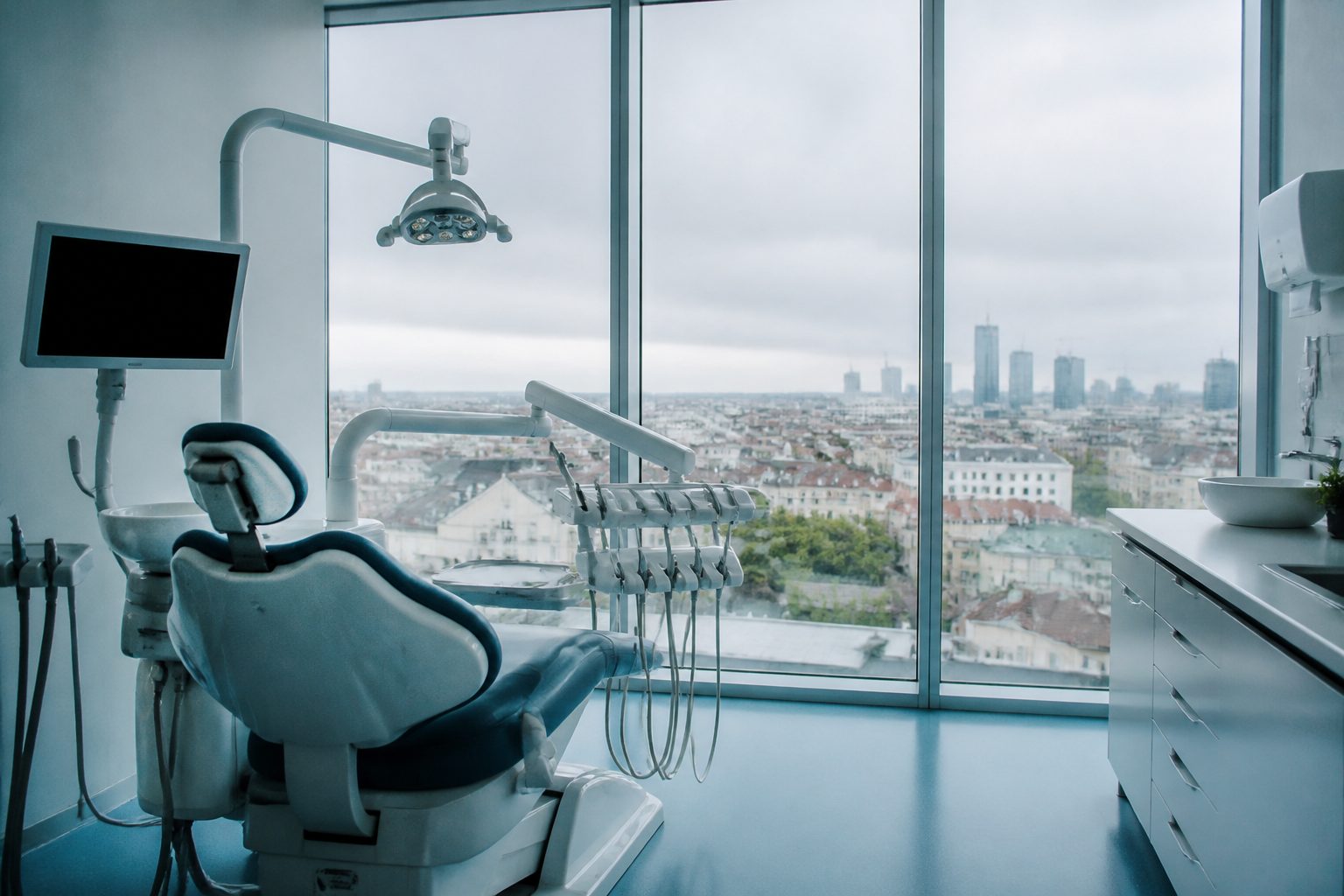
Patients from Europe, North America, and Asia increasingly travel to Hungary, Turkey, Mexico, and Thailand for dental, cosmetic, hair, eye, and weight-loss treatments. The main reason: costs are often 40-70% lower than at home, with clinics that cater to international standards.
This guide compares typical prices for major treatments in these four countries, highlights what is and isn’t included, and explains how to choose a reputable clinic for your needs.
What dental, cosmetic, and medical tourism covers
Medical tourism encompasses a wide range of treatments that extend far beyond cost savings. Patients travel to Hungary, Turkey, Mexico, and Thailand not only for affordable prices, but also for advanced technology, shorter waiting lists, and specialized expertise. Here’s a closer look at what is commonly offered in these destinations:
- Dental care: This is the leading reason for health travel to Hungary and Turkey, where clinics offer crowns, implants, bridges, veneers, and full-mouth restorations at a fraction of Western European or US prices. For example, a dental implant in Budapest or Istanbul may cost 60–80% less than in London or New York. Mexico is also renowned for dental tourism, especially in border cities like Tijuana and Cancun, where US and Canadian patients seek affordable crowns, root canals, and cosmetic dentistry. Thailand’s dental clinics, particularly in Bangkok and Phuket, cater to Australians and other international patients.
- Hair transplants: Turkey has become a global hub for hair restoration, with thousands of international patients each year. Techniques such as FUE (Follicular Unit Extraction) and FUT (Follicular Unit Transplantation) are widely available, and some clinics also offer beard and eyebrow transplants. Thailand and Mexico have a growing reputation in this field as well.
- Cosmetic procedures: Rhinoplasty, breast augmentation, liposuction, and facelifts are commonly sought in Thailand (especially Bangkok and Phuket), Mexico (Mexico City and Monterrey), and Turkey. These procedures are performed by board-certified surgeons, often in modern, internationally accredited hospitals.
- Eye surgeries: LASIK, PRK, and cataract extraction with intraocular lens implants are widely available, particularly in Thailand and Turkey. Many clinics offer comprehensive pre-operative assessments and use the latest laser technologies.
- Weight-loss surgery: Gastric sleeve, gastric bypass, and gastric balloon procedures are increasingly popular in Mexico and Turkey. These surgeries are typically performed in accredited hospitals with multidisciplinary teams to ensure safety and long-term success.
All four countries have established networks of private clinics and hospitals catering to international patients, particularly in their capital cities (Budapest, Istanbul, Mexico City, Bangkok) and major tourist destinations. Patients benefit from modern facilities, experienced specialists, and a focus on customer service, making medical tourism a comprehensive option for a wide variety of needs.
Cost comparison: Hungary, Turkey, Mexico, Thailand
Prices vary by clinic, city, and complexity, but the following table outlines average ranges for major treatments in each country. Note: All costs are in USD and are indicative for international patients at reputable clinics (with local currency in brackets).
| Treatment | Hungary | Turkey | Mexico | Thailand |
|---|---|---|---|---|
| Dental implant (per tooth) | $700–$1,000 (Ft 250,000–360,000) | $600–$900 (₺19,500–29,000) | $850–$1,300 (MX$14,500–22,000) | $1,200–$1,800 (฿43,000–65,000) |
| Dental crown (porcelain, per tooth) | $300–$500 | $200–$350 | $300–$600 | $400–$600 |
| Full mouth restoration (All-on-4) | $7,500–$11,000 | $6,000–$9,000 | $8,000–$13,000 | $10,000–$16,000 |
| Hair transplant (FUE, 3,000 grafts) | $2,400–$3,500 | $1,800–$2,800 | $2,500–$4,000 | $3,500–$5,000 |
| Rhinoplasty (nose job) | $2,300–$4,000 | $2,100–$3,000 | $2,500–$4,500 | $3,000–$5,000 |
| Breast augmentation | $3,000–$4,800 | $2,800–$4,000 | $3,200–$5,000 | $4,000–$6,500 |
| LASIK (both eyes) | $900–$1,400 | $900–$1,200 | $1,000–$1,600 | $1,400–$2,000 |
| Cataract surgery (one eye, incl. lens) | $1,200–$1,900 | $1,000–$1,600 | $1,400–$2,200 | $1,800–$2,600 |
| Gastric sleeve surgery | $6,500–$8,500 | $3,800–$5,500 | $4,800–$8,000 | $10,000–$14,000 |
What is included in quoted prices
Understanding what is included in a clinic’s quoted price is essential for accurate budgeting and avoiding surprises. Most reputable clinics in Hungary, Turkey, Mexico, and Thailand offer comprehensive packages designed for international patients, but the scope and inclusions can vary by country and clinic. Here’s what you can typically expect:
- Pre-operative consultation and diagnostics: This usually covers your initial assessment, digital X-rays, scans, and detailed treatment planning. In Hungary and Turkey, clinics often provide these services as part of the package, while in Mexico and Thailand, some diagnostics may be billed separately.
- Treatment or surgery: The core procedure—whether it’s dental implants, veneers, cosmetic surgery, or eye correction—is always included. Materials such as crowns, implants, or lenses are generally part of the quoted price, but always confirm the brand and quality level with your provider.
- Medications and consumables: Basic medications (antibiotics, painkillers) and all necessary materials for the procedure are usually included. However, more expensive or long-term medications may not be.
- Post-operative follow-up: Most packages include at least one follow-up visit at the clinic to monitor your recovery and address immediate concerns. In Turkey and Thailand, clinics may offer additional aftercare support or remote consultations for international patients.
- Local transfers: Some clinics, especially in Turkey and Thailand, provide airport pick-up and drop-off, as well as transfers between your hotel and the clinic. This is less common in Hungary and Mexico, but may be available for premium packages.
- Interpreter services: To facilitate communication, many clinics in Hungary and Turkey offer interpreter support for English, German, or other languages. This is particularly important if you do not speak the local language.
However, certain costs are typically excluded from the initial quote:
- International flights to and from your destination
- Hotel accommodation, unless specified (hair transplant packages in Turkey sometimes include hotel stays)
- Additional diagnostic tests or procedures not anticipated in the original plan
- Treatment of complications or hospital admission for unexpected events
- Long-term aftercare or follow-up once you return home
Before booking, always request a detailed, itemized written quote. Clarify exactly what is included and excluded, and ask about potential extra costs for complications or changes to your treatment plan. This transparency is crucial for effective budgeting and peace of mind.
Hidden costs and how to avoid them
While the advertised prices for dental and medical procedures in Hungary, Turkey, Mexico, and Thailand are often much lower than those in Western Europe or North America, patients should be vigilant about potential hidden costs that can add up quickly. Here’s a breakdown of the most common extra expenses and practical ways to minimize them:
- Travel: Airfare can be a major expense, ranging from $300–$1,000 or more depending on your origin, destination, and season. Flights from North America to Mexico are generally cheaper than those to Europe or Asia, while flights to Thailand are typically the most expensive. Booking early and being flexible with your travel dates can help secure the best rates.
- Accommodation: Hotel or serviced apartment costs vary widely by city and season. In Budapest or Istanbul, mid-range hotels may cost $50–$100 per night, while in tourist hotspots like Cancun or Phuket, prices can be higher during peak travel periods. Some clinics in Turkey and Thailand offer discounted hotel rates or include accommodations in their packages, especially for hair transplants or cosmetic surgery.
- Extra treatments: If your initial assessment reveals the need for additional procedures—such as unexpected tooth extractions, bone grafts, or extra scans—these services are usually billed separately and can significantly increase your total costs. Always ask for a full dental or medical assessment before travel, and clarify the price for any potential add-ons.
- Medications: While basic painkillers and antibiotics are often included, specialized medications or aftercare products (such as mouthwashes, wound dressings, or prescription drugs) may not be. Inquire about all expected medication costs in advance.
- Follow-up care: Some clinics offer remote follow-up via video or email, but if you require in-person check-ups at home, these will not be covered by your package. Dental or medical complications that arise after you return home may require additional visits to local providers, which can be expensive if not anticipated.
To avoid unpleasant surprises, take these steps:
- Request a comprehensive, itemized cost breakdown from your clinic before booking.
- Ask what happens if complications arise—will the clinic provide free corrective treatment, or will you need to pay extra?
- Plan for a contingency fund of at least 10–20% above your initial budget to cover unforeseen expenses.
- Review your travel insurance policy to see if it covers medical complications or trip cancellations.
By being proactive, asking detailed questions, and budgeting wisely, you can enjoy the benefits of dental tourism while minimizing the risk of unexpected costs.
How to choose a reputable clinic
Selecting a trustworthy clinic is the single most important decision for dental or medical tourism. Costs and quality can vary widely between providers, and making the right choice protects both your health and your investment. Here’s how to approach the process in detail:
- Specialization matters: Look for clinics that focus on the treatment you need—whether it’s dental implants, cosmetic procedures, or eye surgery. In Hungary and Turkey, some clinics are internationally recognized for dental work, while certain Mexican and Thai clinics are leaders in cosmetic or bariatric surgery.
- International patient experience: Clinics that regularly treat foreign patients are more likely to have streamlined processes, English-speaking staff, and a clear understanding of international expectations. Ask for statistics on how many overseas patients they serve annually.
- Language and communication: Ensure that staff can communicate fluently in English or your preferred language. This is particularly important during consultations, follow-ups, and in case of complications. Many clinics in Budapest, Istanbul, and Bangkok have dedicated international coordinators.
- Accreditation and regulation: Reputable clinics display certifications from recognized organizations such as the Joint Commission International (JCI), ISO, or national health authorities. In Hungary and Thailand, look for government health ministry registration; in Turkey and Mexico, JCI or local equivalents are key markers of quality.
- Transparency: Demand a written treatment plan, including itemized costs, expected outcomes, and any limitations or exclusions. Avoid clinics that are vague about pricing or refuse to provide documentation.
- Comprehensive support: The best clinics assist with airport transfers, hotel bookings, and aftercare. This is common in Turkish and Thai clinics, and increasingly in Hungary and Mexico, making the process smoother for international patients.
In addition to these steps, always:
- Read independent reviews on trusted platforms and medical tourism forums.
- Request to speak with former international patients about their experiences.
- Be wary of high-pressure sales tactics or incentives that seem too good to be true.
Taking these practical steps will help ensure you select a clinic that delivers both value and peace of mind.
What drives the price differences?
The main factors influencing costs between Hungary, Turkey, Mexico, and Thailand include:
- Local wage levels: Lower staff and facility costs mean lower prices, especially in Turkey and Hungary.
- Clinic location: Major cities (Istanbul, Budapest, Cancun, Bangkok) may be pricier than smaller cities but offer better infrastructure.
- Material quality: Implants, crowns, and lenses from top brands (Straumann, Nobel, Zeiss) cost more; ask about options.
- Experience of surgeons: High-volume, internationally trained specialists may charge a premium but offer extra safety.
- Package extras: Some clinics bundle airport transfers, hotels, or sightseeing; others charge separately.
For the same procedure, Turkey often offers the lowest prices for hair and cosmetic surgery, while Hungary is favoured for dental work by Europeans. Mexico attracts North Americans for dental and bariatric surgery. Thailand is often chosen for more complex cosmetic or eye procedures.
How to save safely
When considering dental tourism in Hungary, Turkey, Mexico, or Thailand, it is possible to make significant savings while still prioritizing your health and safety. Here are detailed strategies to help you cut costs responsibly:
- Travel in the off-season: Airfares and accommodations are generally much cheaper during the shoulder seasons—autumn and spring—when tourist demand is lower. For example, flights to Budapest or Istanbul can be hundreds of dollars less in October compared to July, and hotels in cities like Cancun or Bangkok often offer discounts outside peak months.
- Book in advance: Securing your flights, accommodation, and clinic appointments early can unlock package deals and early-bird discounts. Some clinics partner with local hotels or travel agencies to offer bundled rates, especially in Hungary and Turkey.
- Choose less touristy cities: While capital cities and major tourist hubs like Budapest, Istanbul, or Cancun are popular, consider reputable clinics in secondary cities such as Szeged (Hungary), Izmir (Turkey), Guadalajara (Mexico), or Chiang Mai (Thailand). These locations often have lower clinic fees and living costs, without compromising on quality.
- Ask about bundled discounts: Many clinics offer reduced rates if you need multiple procedures—such as several crowns or combining dental implants with a cleaning. Always request a personalized quote and see if package pricing applies to your case.
- Check your insurance: While most home dental insurance does not cover elective procedures abroad, some policies reimburse emergency dental treatments or offer partial coverage for medically necessary care. Contact your insurer to clarify, and request written confirmation if any reimbursement is possible.
However, never let price be your only guide. Always:
- Verify the clinic’s and dentist’s credentials through official medical boards or international accreditation bodies.
- Check for independent patient reviews and testimonials, ideally from people in your home country.
- Insist on a written treatment plan and agreement that details all procedures, costs, and aftercare before committing.
Cutting corners on safety can lead to complications and higher costs in the long run, so prioritize reputable providers and clear communication at every step.
Planning your medical trip
Preparation is key for a smooth experience:
- Gather all relevant medical records and send them to the clinic in advance.
- Check visa requirements; Turkey and Thailand have e-visa systems, Hungary and Mexico may require pre-approval for some nationalities.
- Allow enough time for recovery—dental implants, hair transplants, and weight-loss surgery often need at least 7–10 days onsite.
- Have a local contact or emergency plan in case you need urgent care after returning home.
- Arrange for someone to accompany you if undergoing major surgery.
- Confirm all appointments and transfers before you travel.
Some clinics work with local travel agents who can coordinate logistics—ask if this service is available.
Frequently asked questions
How much can I really save by going abroad for dental or cosmetic treatment?
Most patients save between 40% and 70% compared to typical prices in the US, UK, or Western Europe, even after travel and accommodation costs. The biggest savings are for dental implants, full-mouth restorations, and hair transplant procedures.
Are the materials and implants used in these countries the same as at home?
Reputable clinics in Hungary, Turkey, Mexico, and Thailand use internationally recognised brands for dental implants, lenses, and cosmetic materials. Always confirm the brand and ask for documentation as part of your written plan.
What happens if I have a complication after returning home?
Most clinics offer some remote follow-up, but you may need to see a local doctor for complications. It’s wise to budget for possible extra care and clarify what the clinic’s aftercare policy covers before booking.
Is it safe to travel alone for treatment?
For minor procedures, solo travel is common. For major surgery (weight-loss, complex dental), bringing a companion is safer and recommended. Some clinics provide a patient coordinator to help with logistics if you travel alone.
Do clinics require a deposit or full payment in advance?
Most clinics ask for a deposit (10–30%) to secure your booking, with the balance payable on arrival. Avoid clinics that ask for full payment before you travel. Payment by credit card is usually accepted.
Related guides
Disclaimer: Prices in this guide are indicative and can vary by case, clinic, and exchange rate. Always request a personalised written quote and consult a qualified doctor before making any medical decisions.