
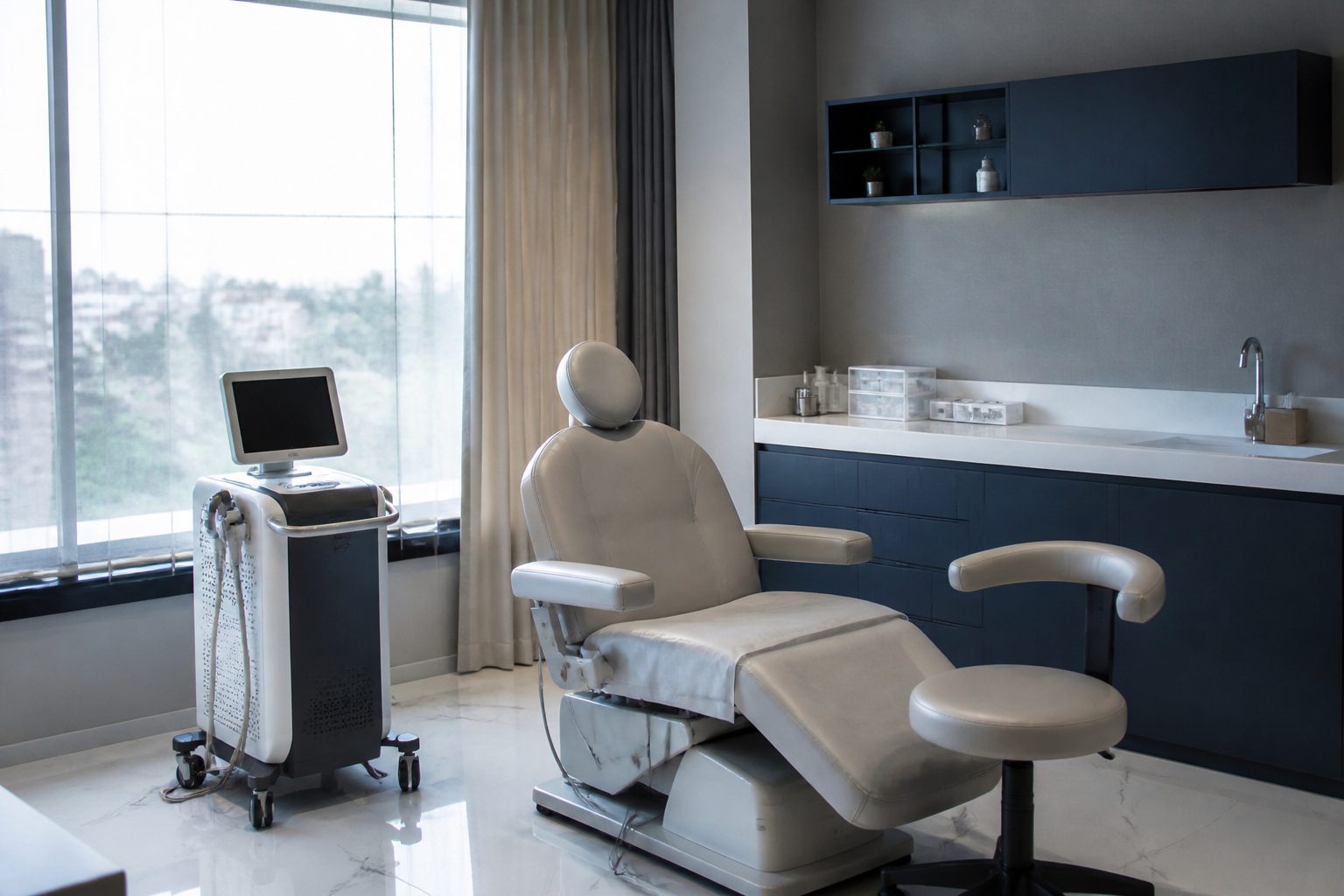
Hair transplant in Pakistan is chosen by many international patients for its low cost and experienced surgeons. Most procedures, including FUE and FUT, cost between $800 and $2,200, significantly less than in Western countries.
This guide is for anyone considering a hair transplant in Pakistan—whether you live locally or are traveling for treatment. We cover typical costs, leading clinics, what is included in the price, and how to choose a reputable provider.
What does a hair transplant cost in Pakistan?
In Pakistan, hair transplant prices are far lower than in the US, UK, or Gulf countries. Most clinics quote a price per graft, usually ranging from $0.60 to $1.00 (PKR 170-280) per graft. The total cost depends on how many grafts you need: a small session (1,000 grafts) may cost $700-$1,000, while a large session (3,000+ grafts) can reach $2,200.
Typical package prices for a full FUE (Follicular Unit Extraction) or FUT (Follicular Unit Transplantation) hair transplant are:
- Small session (1,000 grafts): $700-$1,000 (PKR 200,000-285,000)
- Medium session (2,000 grafts): $1,200-$1,600 (PKR 340,000-450,000)
- Large session (3,000+ grafts): $1,800-$2,200 (PKR 510,000-625,000)
Most clinics include consultation, procedure, aftercare, and medications in the quoted price, but some may charge separately for PRP (platelet-rich plasma) or additional medications. Always ask for a written breakdown.
What is included—and not included—in the price?
Hair transplant clinics in Pakistan, especially those targeting international patients, typically offer all-inclusive packages designed to streamline the process and minimize surprises. These packages often cover every step from your initial consultation to your first post-operative check-up. Standard inclusions generally comprise:
- Initial consultation and assessment: Either in-person or via video call, this session determines your eligibility, discusses your goals, and allows the surgeon to estimate graft numbers.
- Hairline design and graft planning: Customized planning based on your facial structure and degree of hair loss.
- Local anesthesia: All pain management during the procedure is included.
- The hair transplant procedure: Whether you opt for FUE, FUT, or a hybrid method, the surgical costs and team fees are covered.
- Basic medications: Standard antibiotics, pain relief, and anti-inflammatory drugs for immediate post-op care.
- First follow-up and aftercare instructions: Usually includes a post-op check (in person or online) and comprehensive instructions for home care.
However, certain expenses are not typically included in the base price. These can add up quickly if not clarified in advance:
- Travel costs: International and domestic flights, airport transfers, and local transportation are usually self-funded unless stated otherwise.
- Accommodation: Hotel stays are not part of most standard packages, though some clinics may have partnerships with nearby hotels for discounted rates or offer bundled deals for medical tourists.
- Advanced aftercare: Additional treatments such as PRP (Platelet-Rich Plasma) therapy, specialized hair growth boosters, or supplementary medications are often extra.
- Blood tests or pre-op screening: Basic screening may be included, but more comprehensive lab tests (for underlying health issues) can incur additional charges.
Always request a detailed, written breakdown of what your package includes and what is considered an add-on. Some clinics catering to foreigners may offer premium packages that bundle airport pickup, hotel stays, and extended aftercare, which can be more convenient—and sometimes more cost-effective—than arranging each element separately. Carefully review all terms before booking to avoid unexpected expenses.
How do Pakistani hair transplant clinics compare to other countries?
Pakistan is considered a value destination for hair transplant surgery. Surgeons are often trained abroad, and English is widely spoken in medical settings. While facilities may not always match the luxury of top clinics in Turkey or Thailand, the technical quality can be high, especially in larger cities.
Below is a comparison of typical hair transplant package prices in major medical travel destinations. Prices are for a standard 2,000-graft FUE procedure, including consultation, procedure, and basic aftercare.
| Country | Typical cost (2,000 grafts) | Inclusions |
|---|---|---|
| Pakistan | $1,200-$1,600 (PKR 340,000-450,000) | Consultation, FUE/FUT, basic meds, aftercare |
| India | $1,000-$2,000 (₹83,000-1.7 lakh) | Consultation, FUE/FUT, basic meds, aftercare |
| Turkey | $1,500-$2,500 | Consultation, FUE, hotel, transfers, aftercare |
| Thailand | $2,000-$4,000 | Consultation, FUE, basic meds, aftercare |
| UAE | $3,000-$6,000 (AED 11,000-22,000) | Consultation, FUE/FUT, aftercare |
| UK | $5,000-$10,000 (£4,000-8,000) | Consultation, FUE/FUT, aftercare |
| USA | $7,000-$15,000 | Consultation, FUE/FUT, aftercare |
Top cities and clinics for hair transplant in Pakistan
Pakistan has become a leading destination for affordable hair transplants, with the majority of top-rated clinics concentrated in three major cities: Karachi, Lahore, and Islamabad. These urban centers are not only the most populous and accessible in the country, but also offer the best infrastructure for medical tourism, including international airports, a wide selection of hotels, and modern healthcare facilities.
Karachi, as the commercial hub of Pakistan, is home to several internationally recognized clinics led by surgeons with overseas training and memberships in global hair restoration societies. Lahore, known for its medical colleges and hospitals, boasts clinics that emphasize advanced techniques like FUE (Follicular Unit Extraction) and DHI (Direct Hair Implantation). Islamabad, the capital city, provides a quieter, more discreet setting and is popular among government officials and expatriates seeking privacy during their procedures.
Many clinics in these cities cater specifically to international patients, offering assistance with visa arrangements, airport pickups, and even hotel bookings. Some clinics have multilingual staff and provide detailed online consultations to help patients plan their trips. When researching clinics, look for those with a dedicated team of dermatologists and technicians, transparent pricing structures, and a portfolio of genuine before-and-after photos. It’s important to verify that the clinic operates under medical supervision and follows international standards for hygiene and patient safety.
While you may find clinics in smaller cities or those advertising exceptionally low prices, prioritize facilities in Karachi, Lahore, or Islamabad that are well-reviewed and emphasize medical expertise over aggressive marketing. This ensures you benefit from both competitive pricing and high standards of care, reducing the risk of complications or unsatisfactory results.
What drives the price: Key cost factors
The overall cost of a hair transplant in Pakistan varies widely based on several concrete factors. Understanding these can help you plan your budget and choose the right clinic for your needs. The primary cost drivers include:
- Number of grafts required: The extent of your hair loss determines how many follicular units (grafts) you need. Most clinics charge per graft or offer tiered pricing (e.g., 1,000–2,000 grafts, 2,000–3,000 grafts, etc.). Large bald areas or advanced male pattern baldness may require 3,000+ grafts, significantly increasing the total price.
- Transplant technique: FUE (Follicular Unit Extraction) is the most popular method in Pakistan and is generally more expensive than FUT (Follicular Unit Transplantation or “strip method”) due to its labor-intensive, minimally invasive nature and quicker recovery. Advanced techniques like DHI (Direct Hair Implantation) or robotic-assisted FUE can add further costs.
- Surgeon’s experience and reputation: Highly experienced surgeons, especially those with international training or affiliations with global hair restoration societies, command higher fees. Their expertise often leads to better, more natural results and lower complication rates.
- Clinic location and facilities: Clinics in Karachi, Lahore, and Islamabad—Pakistan’s largest cities—tend to charge more due to higher operating costs and demand. However, these clinics usually offer superior hygiene, equipment, and patient care compared to those in smaller cities.
- Additional services: Optional extras like PRP therapy, luxury waiting lounges, private recovery suites, and comprehensive aftercare packages (extra follow-ups, specialized products) can increase your overall bill.
Other factors that may influence costs include the need for corrective surgery (in cases of previous unsuccessful transplants), the density and quality of your donor hair, and any underlying health conditions requiring special pre-op screening. Always request a personalized assessment and a detailed, written quote. This should outline the number of grafts, technique, surgeon’s credentials, and all included and excluded services, ensuring you have a clear understanding of your investment before proceeding.
How to choose a reputable clinic
Choosing the right clinic and surgeon is the most critical step to a successful hair transplant in Pakistan. The country offers a wide range of options, but quality varies significantly. To ensure safety and optimal results, take the following steps:
- Verify the surgeon’s credentials: Seek out board-certified dermatologists or plastic surgeons with specific training in hair restoration. Look for memberships in international organizations like the International Society of Hair Restoration Surgery (ISHRS) or the Asian Association of Hair Restoration Surgeons (AAHRS). Surgeons with international education or fellowships often follow stricter protocols and have broader experience.
- Check clinic accreditation and hygiene standards: While Joint Commission International (JCI) accreditation is rare in Pakistan, reputable clinics are registered with national medical authorities and may have ISO certifications. Inquire about their infection control protocols, sterilization methods, and emergency preparedness.
- Review before-and-after photos and case studies: Ask to see multiple examples of the clinic’s work, preferably with patients who have a similar hair type and pattern of loss as yours. Authentic, high-resolution photos—ideally with time-stamped progression—demonstrate transparency and experience.
- Assess transparency in pricing and communication: Reputable clinics provide written, itemized quotes and are upfront about all potential costs. Be cautious of clinics that require large deposits before a proper consultation or pressure you into quick decisions.
- Read independent patient reviews: Look for testimonials on third-party platforms, forums, or social media. Feedback from international patients can be especially helpful, as it reflects the clinic’s ability to handle medical tourists and provide aftercare remotely.
Whenever possible, schedule a video or phone consultation before committing. Use this opportunity to ask detailed questions about the surgeon’s experience, the procedure, recovery expectations, and support for international patients. A reputable clinic will respond clearly and patiently, giving you confidence in their approach and your decision.
How to plan your trip for a hair transplant in Pakistan
Most international patients fly into Karachi, Lahore, or Islamabad, which have good air links and modern hospitals. A typical stay requires 3-5 days: one day for consultation and assessment, one day for the procedure, and one or two days for initial recovery and follow-up.
Steps to plan your trip:
- Contact the clinic in advance to confirm availability and discuss your case.
- Arrange for visa (many nationalities can obtain an e-visa for medical treatment).
- Check if your clinic offers airport pickup and hotel packages.
- Book a hotel near the clinic for convenience, as you may need to return for follow-up.
- Plan for at least one rest day post-procedure before flying home.
English is widely spoken in Pakistani medical settings, but it helps to have written instructions and a contact number for aftercare.
Hidden costs and how to save safely
While Pakistan’s hair transplant prices are among the most competitive worldwide, it’s crucial to account for all potential expenses to avoid budget overruns. Hidden costs can arise from several areas, especially if you’re traveling from abroad or require additional services. Typical hidden costs include:
- Travel and accommodation: Depending on your country of origin, round-trip flights can range from $200 to $500 or more. Local transportation (taxis, rideshares) and hotel stays in cities like Karachi, Lahore, or Islamabad may add another $100–$300, especially if you choose mid-range or international hotel chains.
- Additional medications or therapies: While basic medications are included, you may be advised to undergo extra PRP (Platelet-Rich Plasma) therapy, which can cost $50–$150 per session. Specialized hair growth serums or supplements may also be recommended at an extra charge.
- Post-op care products: To ensure optimal healing and results, clinics often suggest using specific shampoos, sprays, or topical treatments, which are rarely included in the package and can cost $20–$100.
- Unexpected follow-up visits or treatments: If complications arise (such as infection or graft failure), you may need to pay for additional consultations, medications, or corrective procedures. International patients should also consider the cost of remote follow-ups or telemedicine sessions.
To minimize unforeseen expenses, always choose a clinic that provides a clear, written package deal and a transparent refund or rescheduling policy. Avoid clinics that advertise prices significantly below the national average, as these may cut corners on safety or quality. Instead, look for facilities with a strong reputation, experienced surgeons, and a proven track record with international patients.
Practical ways to save include booking your procedure and flights well in advance, opting for travel during off-peak seasons when hotels and airfares are cheaper, and seeking clinics that offer bundled accommodation or transfer services. If you’re traveling from a nearby country, overland routes or budget airlines can further reduce costs. Remember, saving safely means prioritizing quality and transparency over the lowest advertised price.
Frequently asked questions
How much does a hair transplant cost in Pakistan?
Most hair transplants in Pakistan cost between $800 and $2,200, depending on the number of grafts, the technique used, and the clinic’s reputation. Always request a detailed quote based on your individual case.
How long should I stay in Pakistan after a hair transplant?
A stay of 3-5 days is usually sufficient. This allows for consultation, the procedure, and initial recovery. Your clinic may recommend a follow-up visit, which can sometimes be done remotely if you are traveling from abroad.
Is it safe to get a hair transplant in Pakistan?
Hair transplant procedures in Pakistan are generally safe when performed by qualified surgeons in reputable clinics. Check the credentials of your doctor and ensure the clinic maintains high hygiene standards. Avoid unlicensed or extremely low-cost providers.
Which technique is better: FUE or FUT?
Both FUE and FUT are widely available in Pakistan. FUE is more popular due to less scarring and faster recovery, but FUT may be recommended for certain cases. Your surgeon will advise on the best option for your hair type and goals.
Are the results permanent?
Transplanted hair is generally permanent and should continue to grow naturally. However, some patients may need additional sessions if hair loss progresses. Success depends on the skill of the surgeon and your individual hair characteristics.
Related guides
Disclaimer: Prices are indicative and vary by individual case, clinic, and surgeon. Always obtain a written quote and consult a qualified doctor before proceeding with any hair transplant procedure.