
Patients considering All-on-4 dental implants abroad are often looking for significant savings, quality care, and transparent pricing. This guide compares All-on-4 implant costs across seven major destinations, what’s included in typical packages, and practical tips for choosing a clinic.
Expect to pay from $3,500 per arch in some countries to as much as $28,000 in others. The exact price depends on location, implant brand, clinic reputation, and what’s included (such as extractions, sedation, or temporary teeth).
What are All-on-4 dental implants?
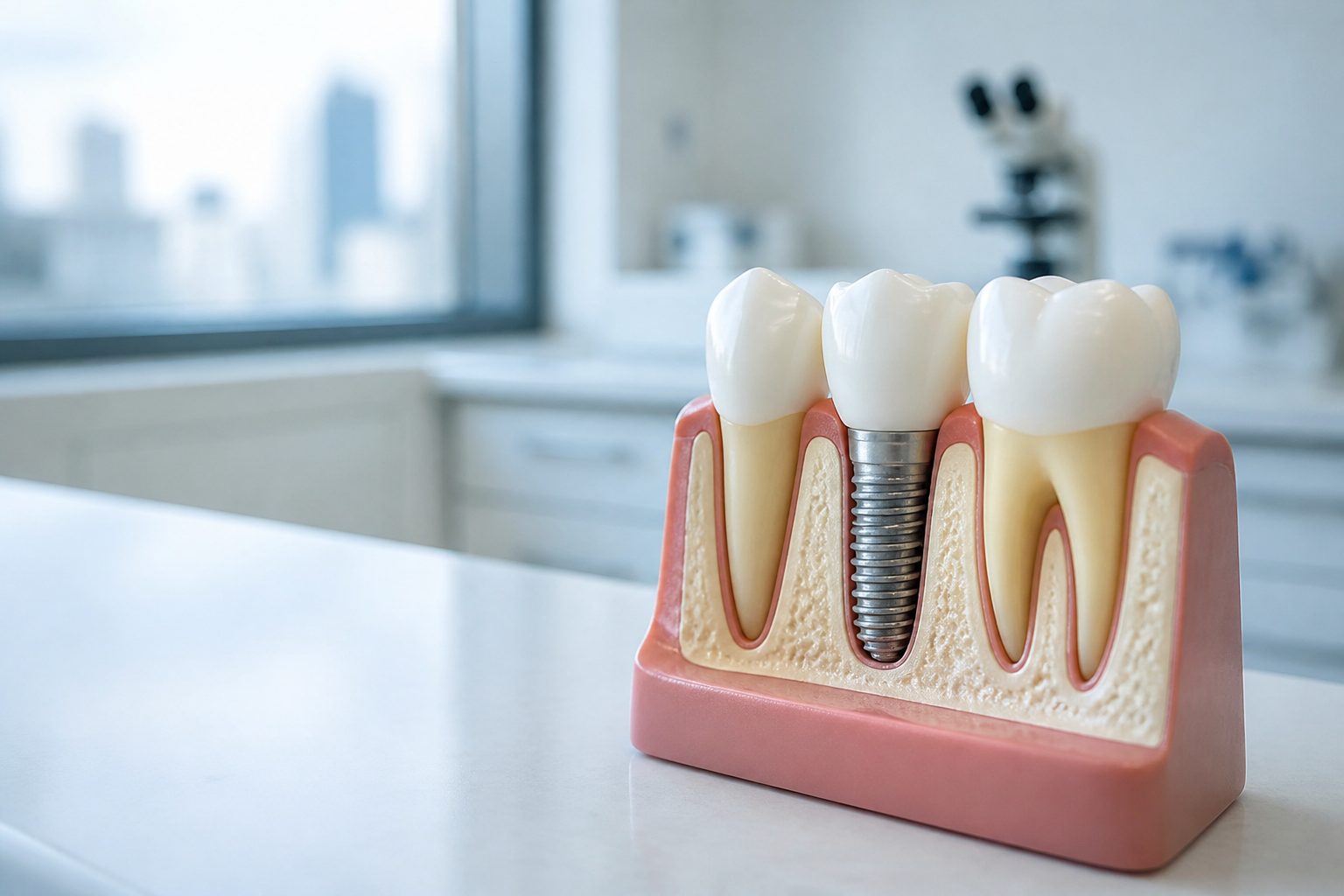
All-on-4 is a full-arch restoration technique using four dental implants to anchor a fixed bridge, replacing all teeth in the upper or lower jaw. It is designed for patients with significant tooth loss or poor prognosis for existing teeth, offering a stable, long-lasting alternative to traditional dentures. The procedure is typically completed in one or two visits, with immediate loading of a temporary prosthesis, followed by a permanent bridge after healing.
This solution is popular among dental tourists because it restores function and appearance with fewer implants and less invasive surgery than conventional full-arch reconstructions. However, cost, clinic standards, and implant brands can vary widely by country.
All-on-4 dental implant cost comparison table
| Country | Typical cost per arch (USD) | What’s included | Typical extra costs |
|---|---|---|---|
| Turkey | $3,500-$7,500 | Consultation, 3D scan, surgery, temporary teeth, permanent bridge | Extractions, sedation, bone graft (if needed) |
| India | $4,000-$8,500 (₹3.3-7 lakh) | Consultation, implants, basic prosthetic, follow-up | Premium bridge, extractions, sedation |
| Mexico | $6,000-$13,000 | Consultation, implants, surgery, temporary and permanent teeth | Extractions, bone graft, hotel/transport |
| Thailand | $7,000-$12,500 | Consultation, imaging, surgery, prosthesis, basic aftercare | Premium materials, sedation, extractions |
| Hungary | $8,000-$15,000 (€7,300-13,500) | Consultation, 3D planning, surgery, prosthesis | Bone graft, hotel, premium bridge |
| United States | $18,000-$28,000 | Consultation, imaging, surgery, prosthesis, aftercare | Extractions, sedation, bone graft |
| United Kingdom | $14,000-$26,000 (£11,000-21,000) | Consultation, imaging, surgery, prosthesis | Extractions, sedation, bone graft |
What is included in the price?
The advertised price for All-on-4 dental implants can vary widely depending on the country, clinic, and level of service. Understanding what’s included in the baseline price is crucial for accurate comparison and budgeting. Typically, the core package covers the initial consultation, detailed 3D imaging (such as CBCT scans), placement of four dental implants, and the fitting of a temporary prosthesis—these are the minimum essentials for the All-on-4 procedure.
After a healing period (usually 3–6 months), you’ll return for placement of the final, permanent bridge. In some countries—like Turkey, Mexico, or Hungary—clinics often offer all-inclusive packages. These may cover extractions of remaining teeth, sedation or anesthesia, temporary accommodation, airport transfers, and even some meals or sightseeing options. In contrast, clinics in the US, UK, or Australia are more likely to itemize each stage, billing separately for extractions, sedation, additional imaging, and follow-up visits.
The choice of implant brand and materials for the final bridge can also impact price. Premium brands such as Nobel Biocare, Straumann, or BioHorizons are more expensive but offer proven long-term reliability. The final bridge material—acrylic, composite, porcelain, or zirconia—affects both aesthetics and durability, with zirconia and porcelain commanding higher prices. For example, a zirconia bridge in Spain or Portugal may still cost less than a composite bridge in the US.
Always request a comprehensive, itemized quote so you can see exactly what is included: consultations, imaging, surgical fees, prosthesis materials, anesthesia, medications, aftercare, and any extras. This transparency will help you compare clinics accurately, avoid hidden charges, and ensure you get the best value for your investment in a new smile.
Hidden costs to watch for
When evaluating the cost of All-on-4 dental implants, it’s crucial to look beyond the headline price. Many clinics advertise an attractive base rate, but there are often additional expenses that can significantly increase your total outlay. To avoid surprises, always scrutinize what is—and isn’t—included in your quote. Key hidden costs to watch for include:
- Extractions of remaining teeth: If you have teeth that need to be removed before implant placement, some clinics charge separately for each extraction, while others may include it in a package.
- Temporary bridge/teeth during healing: A provisional set of teeth is typically needed while your implants integrate with the bone. Some clinics include this in the standard fee, but others bill it as an extra service.
- Bone graft or sinus lift: If your jawbone is too thin or soft, you may require bone grafting or a sinus lift. These procedures can add hundreds or even thousands of dollars to your bill, especially in countries like the US or UK, while clinics in Turkey or Mexico may offer bundled pricing.
- Sedation or general anesthesia: Local anesthesia is usually included, but sedation or general anesthesia may be an extra charge, particularly in Western Europe or North America.
- Follow-up visits or adjustments: Some clinics include a set number of follow-up appointments, while others charge per visit. If you’re traveling internationally, ask about remote support or costs for additional visits.
- Medications and post-operative care: Antibiotics, painkillers, and other post-op supplies are sometimes billed separately.
- Travel, accommodation, and local transport: Especially relevant for medical tourism, these costs can vary widely by country. For example, accommodation in Hungary or Thailand is generally less expensive than in Spain or the US, but must still be budgeted for.
Some clinics, especially in countries like Turkey, Mexico, or Thailand, offer fixed-fee packages that include many of these elements, while clinics in the US, UK, or Australia may itemize each stage. Always request a detailed, itemized quotation and clarify what happens if extra procedures are needed after your initial assessment. Understanding these potential hidden costs will help you compare clinics on a true like-for-like basis and avoid unexpected financial stress during your treatment journey.
Why do prices vary so much?
Several factors influence the cost of All-on-4 implants:
- Labor and overhead costs: Wages, rent, and regulatory expenses are much lower in countries like Turkey, India, and Mexico than in the US or UK.
- Implant system: Premium brands increase the price. Some clinics offer cheaper generic implants; verify the brand and warranty.
- Prosthetic material: Acrylic is cheaper than porcelain or zirconia. Stronger, more aesthetic materials cost more.
- Clinic standards and accreditations: Internationally accredited clinics (JCI, NABH) may charge more, but often offer better infection control, equipment, and patient support.
- Surgeon expertise: Highly experienced implantologists or clinics that handle large case volumes may cost more, but often deliver better outcomes.
- What’s included: Some packages cover everything; others are bare-bones, with hidden extras.
How to choose a clinic and country
Choosing the right clinic and destination for your All-on-4 dental implants is a decision that can impact not only your wallet but also your health and satisfaction with the results. Start by researching clinics with a proven track record in full-arch implantology. Look for those with international accreditations and a focus on treating overseas patients, as they are more likely to offer transparent pricing and streamlined logistics.
- Clear communication in your language: Ensure the clinic can communicate fluently in your preferred language, both before and during your treatment. This is especially important in countries like Turkey, Hungary, or Thailand, where English-speaking coordinators are a sign of patient-centered care.
- Experienced, qualified implant surgeons: Verify the credentials and experience of the dental team. Leading clinics in Spain, Portugal, and Mexico often showcase their surgeons’ qualifications and memberships in international dental associations.
- Modern equipment and sterilization standards: Ask about the clinic’s technology and hygiene protocols. Countries like Germany and Switzerland are known for strict regulatory standards, but many clinics in Poland or Costa Rica also invest in state-of-the-art facilities.
- Before-and-after photos, patient testimonials, and independent reviews: Look for extensive galleries and genuine patient stories. Independent review platforms can provide insights into patient satisfaction and outcomes.
- Willingness to provide a detailed written treatment plan and quote: A reputable clinic should offer a comprehensive, itemized treatment plan outlining each step, cost, and timeline. This is standard practice in Australia, the UK, and increasingly in countries like Croatia and Colombia.
- Assistance with travel, accommodation, and follow-up: Many clinics in medical tourism hotspots such as Turkey, Hungary, and Mexico offer packages that include airport transfers, hotel stays, and even local sightseeing. Consider these services if you’re traveling from abroad.
When weighing your options, factor in the total cost, including flights, accommodation, and meals, against the potential savings. For example, patients from the US or Canada often find substantial savings in Mexico or Costa Rica, while UK patients look to Hungary or Poland. However, if you have complex medical needs or anticipate needing aftercare, a destination closer to home—or at least with strong aftercare arrangements—may be the safer choice. Always balance cost savings with quality, safety, and accessibility to follow-up care.
How to save safely on All-on-4 implants
Saving money on All-on-4 dental implants is possible, but it’s important to do so without compromising your safety or long-term results. Here are practical strategies to maximize value while minimizing risks:
- Get multiple quotes: Request detailed, itemized quotes from clinics in several countries. Compare not just the headline price but also what’s included (such as extractions, temporary teeth, or aftercare). For example, clinics in Turkey or Mexico may offer more comprehensive packages than those in the US or UK.
- Check implant brands and warranties: Ensure the clinic uses genuine, internationally recognized implant brands (like Nobel Biocare or Straumann) and provides a written warranty on both the implants and prosthesis. Some countries, such as Spain and Portugal, are known for using top-tier materials at lower costs than the US or Australia.
- Ask about complications and extra visits: Find out how the clinic handles post-surgical complications or the need for additional visits. Will you incur extra costs if you need to return for adjustments? Clinics in Hungary and Thailand often offer remote support or discounted follow-up care for international patients.
- Review infection control and accreditations: Look for clinics with international accreditations (such as ISO certification) and strict sterilization protocols. This is especially important in countries where regulation may be less consistent.
- Factor in follow-up travel costs: Consider the likelihood and cost of return trips for aftercare. While initial savings in countries like Mexico or Costa Rica can be significant, the need for unexpected follow-up visits can narrow the price gap with local treatment.
- Avoid ultra-low prices: Be wary of clinics offering prices far below the local average. Extremely low costs may indicate shortcuts in materials, training, or safety protocols, which could lead to complications or expensive corrections later.
Some patients choose a hybrid approach: having extractions and initial healing performed by a trusted local dentist, then traveling abroad for implant placement and final restoration. This can reduce risks and simplify aftercare. Others combine treatment with a holiday, but it’s essential to prioritize your health over tourism. Always verify the clinic’s credentials, read reviews from international patients, and ensure you have a clear plan for both the procedure and any necessary follow-up care.
Planning your trip: logistics and timing
Careful planning is essential for a smooth All-on-4 dental implant journey, especially if you’re traveling abroad. The treatment typically unfolds in two main stages, each with its own logistical considerations:
- Initial visit (5-10 days): During your first trip, the process usually begins with a comprehensive consultation, 3D imaging (such as CBCT scans), and treatment planning. If extractions are needed, these are performed, followed by implant placement. Most clinics will fit a temporary prosthesis (set of teeth) immediately or within a few days, allowing you to leave with a functional smile. Plan to stay 5–10 days to allow for healing, adjustments, and monitoring for any immediate complications.
- Second visit (3–6 months later, 5–7 days): After your implants have integrated with your jawbone (a process called osseointegration), you’ll return for the placement of your final, permanent bridge. This visit is typically shorter, around 5–7 days, but may vary depending on the complexity of your case and the clinic’s protocols.
Some clinics, particularly in countries like Turkey or Thailand, offer immediate loading protocols, where permanent teeth are placed within 3–4 days. However, most experts—and clinics in the US, UK, or Germany—recommend a healing period of several months to reduce the risk of implant failure.
When planning your trip, budget for more than just the dental work. Include flights, accommodation, meals, local transportation, and incidental expenses such as travel insurance or visa costs. If you’re traveling to countries like Hungary or Poland, you may find affordable accommodation and easy access to clinics in major cities. Conversely, in countries like Australia or the US, costs for both treatment and local travel can be higher.
Finally, ensure you have a plan for follow-up care. Some clinics offer remote support or partnerships with local dentists for aftercare, while others require you to return for adjustments. Clarify these details before booking, and always allow for some flexibility in your travel dates in case your treatment plan needs to change due to healing or unforeseen issues.
Frequently asked questions
How long do All-on-4 implants last?
With proper care and regular dental check-ups, All-on-4 implants can last 10-20 years or more. The implants themselves are designed to be permanent, but the prosthetic bridge may need replacement or repair after 10-15 years due to wear or changes in the mouth.
Is All-on-4 suitable for everyone?
All-on-4 is suitable for most people with significant tooth loss or failing teeth, but adequate bone volume is needed. Patients with severe bone loss, uncontrolled diabetes, or certain medical conditions may need additional procedures or alternative treatments. A specialist assessment is essential.
What if an implant fails after treatment abroad?
If an implant fails, you may need to return to the original clinic or seek care locally. Some clinics offer warranties, but typically do not cover travel or accommodation for remedial work. Ask about aftercare, warranty terms, and local support before booking.
Can I eat normally after All-on-4 treatment?
Immediately after surgery, you will need to follow a soft diet for a few weeks. Once the permanent bridge is fitted and healing is complete, most patients can eat a normal diet, though very hard or sticky foods should be avoided to protect the prosthesis.
Will the procedure be painful?
The surgery is performed under local anesthesia or sedation, so you should not feel pain during placement. Some swelling, discomfort, and bruising are common for a few days afterwards, but most patients manage well with prescribed pain relief and rest.
Related guides
Disclaimer: Prices in this guide are indicative and vary by case, clinic, and region. Always request a detailed written quote and consult a qualified dental specialist before making decisions.