
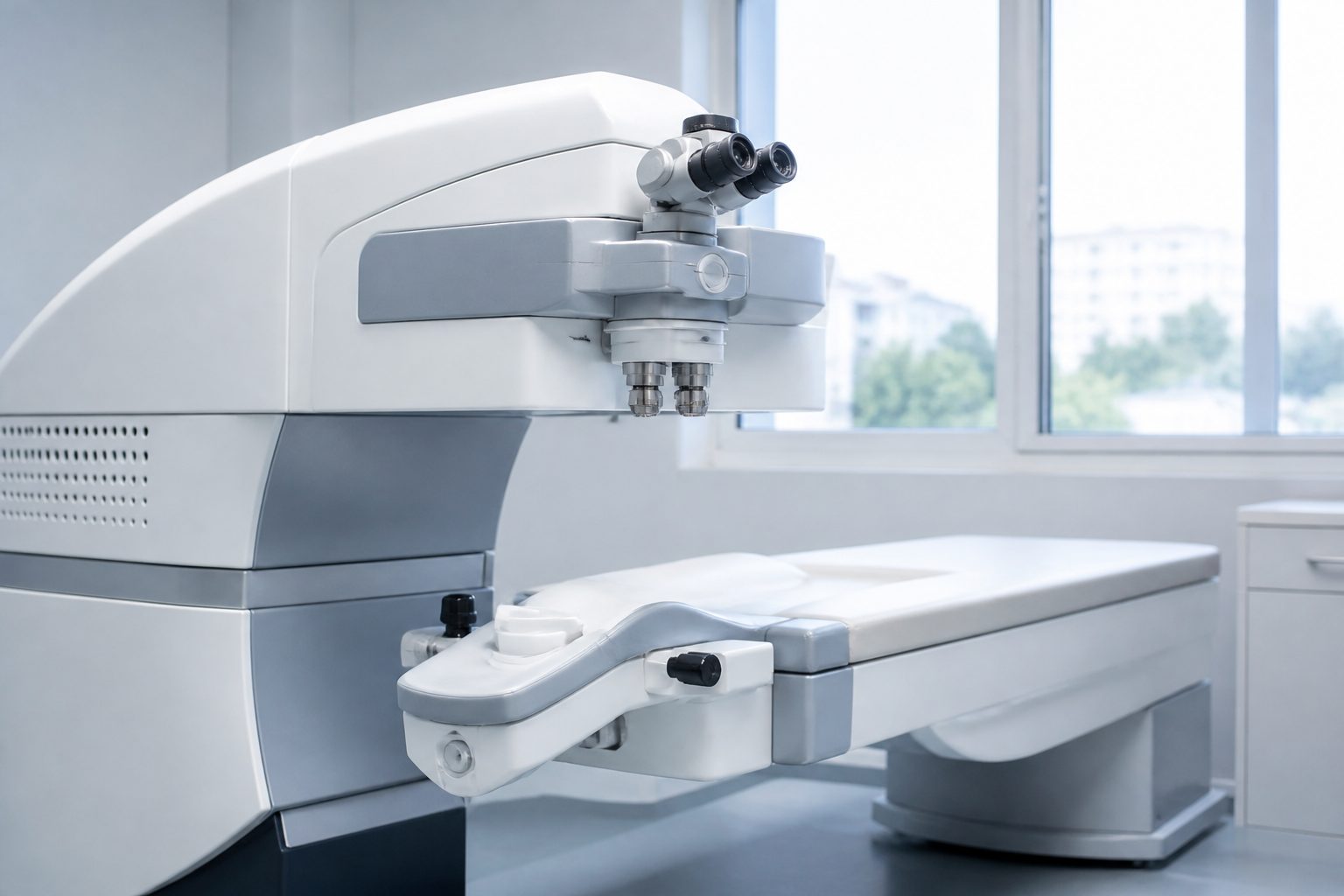
Patients seeking clear vision without glasses often consider LASIK eye surgery abroad to save money. This guide compares LASIK costs in 10 countries, what’s included, and practical factors for choosing a clinic.
Prices for LASIK vary widely, from as low as $350 per eye in India to $2,500 per eye in the US. Here’s what you need to know about costs, safety, and getting the best value for your vision correction.
What is LASIK and who is it for?
LASIK (Laser-Assisted In Situ Keratomileusis) is a widely performed laser eye surgery designed to correct refractive vision errors such as nearsightedness (myopia), farsightedness (hyperopia), and astigmatism. The procedure involves creating a thin flap in the cornea, reshaping the underlying tissue with an excimer laser, and repositioning the flap to allow light to focus precisely on the retina. This reshaping corrects the way the eye bends (refracts) light, resulting in clearer vision and often eliminating the need for glasses or contact lenses.
Ideal candidates for LASIK are adults over 18 (sometimes 21, depending on country regulations) who have had a stable vision prescription for at least one year. Good candidates should have healthy corneas with sufficient thickness, no active eye diseases (such as keratoconus or severe dry eye), and not be pregnant or breastfeeding. Certain health conditions, such as uncontrolled diabetes or autoimmune diseases, may also make LASIK unsuitable. Individuals with very high prescriptions or thin corneas might be advised to consider alternative procedures like PRK or SMILE, which are available in many countries.
LASIK is typically performed as an outpatient procedure, taking about 15 minutes per eye, with most patients experiencing rapid recovery and improved vision within 24–48 hours. While the vast majority of patients achieve 20/20 vision or better, results can vary, and some may still need glasses for specific tasks. LASIK is not recommended for those with rapidly changing prescriptions, severe dry eye, or certain corneal irregularities. Before undergoing LASIK, a comprehensive eye exam and corneal mapping are essential to determine candidacy and rule out contraindications. In summary, LASIK is a safe and effective solution for many adults seeking freedom from corrective lenses, provided they meet the necessary health and vision criteria.
How much does LASIK eye surgery cost in 10 countries?
LASIK prices depend on the country, hospital, technology used, and surgeon’s experience. Below is a comparison of typical price ranges for standard LASIK per eye, including the local currency equivalent where helpful. The prices below are for both eyes unless otherwise noted, and reflect self-pay rates at reputable, high-volume clinics. Premium procedures (such as bladeless or custom LASIK) may cost more.
| Country | Typical cost (both eyes) | What’s usually included | What’s not included |
|---|---|---|---|
| India | $700–$1,200 (₹58,000–1 lakh) | Consultation, standard LASIK, post-op checkups | Extra tests, medications, enhancements |
| Turkey | $900–$1,600 (₺29,000–52,000) | Surgery, pre/post-op exams, some medications | Travel, accommodation, premium technology |
| Thailand | $1,300–$2,000 (฿47,000–73,000) | Consultation, surgery, 1–2 follow-ups | Extra visits, enhancements, drugs |
| Mexico | $1,300–$2,000 (MX$22,000–34,000) | Initial assessment, standard LASIK, aftercare | Accommodation, medications, touch-ups |
| Poland | $1,000–$1,700 (PLN 4,000–7,000) | Consultation, surgery, 1–2 follow-ups | Extra scans, drugs, upgrades |
| Hungary | $1,100–$1,800 (Ft 390,000–640,000) | Consultation, LASIK, basic aftercare | Medications, extra visits, premium options |
| UAE (Dubai) | $1,800–$2,500 (AED 6,600–9,200) | Consultation, standard LASIK, follow-ups | Medication, enhancements, specialist fees |
| Philippines | $1,000–$1,600 (₱57,000–91,000) | Consultation, LASIK, 1–2 follow-ups | Medications, extra exams, enhancements |
| United Kingdom | $2,000–$3,500 (£1,600–2,800) | Screening, surgery, aftercare | Enhancements, prescription meds |
| United States | $2,500–$4,500 | Assessment, LASIK, 1–2 follow-ups | Medications, enhancements, extra visits |
What is and isn’t included in LASIK prices
Most LASIK packages cover the surgical procedure itself, initial consultation, and one or two routine follow-up visits. However, pre-surgical screening tests, medications (such as antibiotic or lubricating eye drops), and enhancement procedures (if you need a touch-up) are often billed separately. Some clinics include more comprehensive aftercare or offer upgrades to newer technologies (like bladeless or wavefront-guided LASIK) at additional cost.
Before booking, ask for an itemised quote and clarify what is included. If you require a specific technology or have a complex prescription, confirm whether this will add to your cost. Always factor in the cost of travel, accommodation, and potential enhancement procedures.
Hidden costs to watch for
While many LASIK clinics advertise low base prices, patients—especially those traveling abroad—should be aware of additional costs that may not be included in the initial quote. These hidden expenses can add significantly to the overall price of the procedure and vary by country and clinic. Some of the most common extra charges include:
- Preoperative diagnostics: Detailed eye mapping, corneal topography, and wavefront analysis are essential for planning safe and effective LASIK. Some clinics, especially in the US and Western Europe, charge separately for these tests, while others in countries like Turkey or India may include them in bundled packages.
- Medications: Prescription eye drops (antibiotics, anti-inflammatories, and lubricants) are vital for post-surgery recovery. In some countries, these are included in the package, but in places like the US or Australia, they are often billed separately and can cost $50–$200 extra.
- Follow-up visits: Standard aftercare typically involves at least one or two follow-up appointments in the first month. Some clinics include these in the price, but others—especially in North America and Western Europe—may charge for additional visits after the initial postoperative period.
- Enhancement procedures: If your vision regresses or the initial correction is insufficient, you may need an enhancement (touch-up) procedure. Some clinics offer free enhancements within a specified time frame (commonly 1–2 years), while others charge several hundred to a thousand dollars per eye.
- Technology upgrades: Opting for advanced laser platforms (such as femtosecond or wavefront-guided LASIK) may incur extra fees, particularly in countries where multiple technologies are available and priced differently.
- Travel and accommodation: International patients should budget for airfare, local transportation, accommodation, meals, and potentially visa fees. These costs can vary widely depending on the destination—traveling to Hungary or India may be less expensive than to Singapore or the UAE.
Some clinics, especially in medical tourism hubs like Thailand or Mexico, offer all-inclusive packages that bundle surgery, diagnostics, medication, and limited accommodation. However, these packages may still exclude certain enhancements, premium medications, or extended aftercare. To avoid surprises, always request a comprehensive, itemized cost breakdown before committing, and clarify which services are included and which are extra. Taking these steps will help you accurately compare clinics and budget for your total LASIK experience abroad.
How to save money on LASIK abroad safely
Pursuing LASIK surgery abroad can offer significant savings, but it’s essential to prioritize safety and quality to avoid costly complications. Here are practical strategies to reduce your expenses without compromising your health:
- Choose high-volume, reputable clinics: Clinics that perform a large number of procedures often offer lower prices due to efficiencies, but make sure they maintain strict quality standards. Look for internationally accredited facilities and verify surgeon credentials through independent sources like medical boards or patient testimonials.
- Select standard LASIK if appropriate: If your prescription is straightforward, you may not need premium options like custom or bladeless LASIK. Standard LASIK is widely available and effective for many patients, especially in countries with advanced medical tourism industries such as Turkey, India, or Mexico.
- Travel during low season: Airfare and hotel costs can fluctuate dramatically based on the time of year. Traveling outside of peak tourist seasons can yield substantial savings on both flights and accommodations. Research visa requirements and local holidays, as these may affect availability and pricing.
- Ask about package deals: Many clinics in destinations like Thailand, Hungary, and Malaysia offer bundled packages for international patients. These may include airport transfers, hotel stays, and sometimes even sightseeing tours. Always clarify what is included and whether enhancements or extra aftercare are part of the deal.
- Check insurance coverage: While most insurance plans do not cover elective LASIK, some may pay for pre-surgical exams or certain diagnostics. Check with your insurer before booking and ask the clinic for documentation needed to submit claims.
Always put safety first: never base your decision solely on price, and avoid clinics that skimp on preoperative diagnostics, aftercare, or staff qualifications. Read independent reviews, request patient references, and ensure the clinic has clear policies for handling complications or enhancements. By following these steps, you can achieve excellent results and maximize your savings on LASIK abroad.
What drives the price of LASIK?
The cost of LASIK surgery can vary dramatically between countries and even between clinics within the same city. Understanding the main factors that influence pricing will help you make an informed choice and avoid unexpected expenses. Here are the key elements that drive LASIK prices:
- Technology: The type and age of laser equipment used play a significant role in pricing. Clinics offering the latest femtosecond lasers or wavefront-guided technology generally charge more, as these systems are more expensive to acquire and maintain but can offer better outcomes and safety. In many Western European countries and Singapore, investment in cutting-edge technology is reflected in higher prices, while reputable clinics in India or Turkey may use slightly older, but still effective, equipment for lower fees.
- Surgeon experience: Highly qualified, internationally trained surgeons with extensive track records may charge premium fees, especially in countries with a strong reputation for medical excellence, such as Germany or the United States. Surgeon reputation, years in practice, and the number of successful procedures performed can all impact cost.
- Clinic location: The cost of living and doing business in a city or country directly affects LASIK pricing. Urban centers like London, New York, or Sydney typically have higher overheads for rent, staff, and utilities, leading to higher procedure costs. Conversely, clinics in cities like Bangkok, Budapest, or Istanbul can offer lower prices due to reduced operational expenses.
- Procedure volume: High-volume centers that perform hundreds or thousands of LASIK procedures annually can often offer lower prices thanks to economies of scale. In countries with established medical tourism industries, such as Mexico and Malaysia, clinics may pass these savings on to patients.
- Aftercare and enhancement policies: Comprehensive aftercare, including multiple follow-up visits, free enhancements, and extended support, can increase the overall cost but provide greater peace of mind. Some clinics in the US and Australia include lengthy aftercare packages, while others offer more basic support at a lower price.
In countries where LASIK is more affordable, such as India, Turkey, or Hungary, lower prices are usually the result of reduced labor costs, lower facility expenses, and favorable currency exchange rates—not necessarily a reduction in care quality. However, it is crucial to verify accreditation and surgeon experience to ensure safety. Always compare what is included in the quoted price—technology, aftercare, and enhancement policies—before making your decision.
How to choose a LASIK clinic abroad
Choosing a LASIK clinic in another country requires more than just comparing prices. Begin by thoroughly researching the credentials of the surgeons—look for board certification specific to ophthalmology in their country, as well as evidence of specialized training in refractive surgery. Many leading destinations for LASIK, such as Turkey, India, and Thailand, have internationally accredited clinics; seek out those with recognitions like JCI (Joint Commission International) or national health authority accreditations, which indicate adherence to strict safety and quality standards.
- Surgeon credentials and experience: Ask about the surgeon’s years of experience, complication rates, and the number of procedures they perform annually. Some countries, like Germany and Singapore, have rigorous requirements for refractive surgeons, while others may not, so independent verification is essential.
- Clinic accreditation: Look for internationally recognized accreditations or certifications from reputable health organizations. Accreditation ensures the clinic maintains high standards in patient care, hygiene, and technology use.
- Technology used: Inquire about the type and age of the laser platform. Advanced technology such as femtosecond lasers or wavefront-guided systems can improve outcomes but may also affect price. European clinics often invest in the latest equipment, while some lower-cost countries may use older but still effective technology.
- Transparent pricing and clear enhancement policies: Request a detailed price list, including potential extra fees for enhancements or follow-up care. Some clinics in Mexico and Eastern Europe offer all-inclusive packages, but always check what is covered.
- Language support: Ensure the clinic provides professional language support if you do not speak the local language. Many clinics in popular medical tourism destinations, like Malaysia and Hungary, have English-speaking coordinators and translators.
- Emergency care access: Ask about arrangements for urgent aftercare and whether the clinic partners with local hospitals for emergencies. In some countries, proximity to a major hospital can be a significant advantage.
Before making a decision, read independent reviews on platforms like Trustpilot or Google, and ask the clinic to connect you with former international patients willing to share their experiences. Reliable clinics are transparent about their outcomes, complication rates, and will provide data on patient satisfaction. Take the time to compare at least three clinics, and don’t hesitate to ask detailed questions about every aspect of the procedure and aftercare. This thorough approach helps ensure both safety and value for your investment in vision correction abroad.
Planning your LASIK trip: practical tips
Successful LASIK abroad requires careful planning. Here are key steps:
- Send your prescription and medical history in advance for pre-approval.
- Schedule enough time for at least one pre-op day, surgery day, and 2–3 days for initial recovery and follow-up before traveling home.
- Arrange for someone to accompany you or assist after surgery, as vision may be blurry for a day or two.
- Book accommodation close to the clinic for easy access to follow-ups.
- Obtain a written summary of your procedure and follow-up instructions before leaving the country.
Most patients can fly home within a week of surgery, but follow your surgeon’s advice. Make arrangements for follow-up care at home if needed.
Frequently asked questions
Is LASIK safe in lower-cost countries?
LASIK is safe when performed at reputable clinics with experienced surgeons using modern technology. Many lower-cost countries have internationally accredited centres and strict safety standards. Research the clinic’s credentials and patient reviews before booking.
How long does LASIK recovery take?
Most patients notice improved vision within 24–48 hours. Mild discomfort, dryness, or blurry vision can last a few days. Normal activities can usually resume after a week, but complete healing may take a few months. Follow your surgeon’s aftercare instructions closely.
Will I need enhancements or repeat LASIK?
Enhancements are sometimes needed if your vision changes or the initial correction is incomplete. Most reputable clinics offer enhancements at a reduced fee within the first year, but this may not be included in the initial cost. Ask about their policy before booking.
Does insurance cover LASIK abroad?
Most health insurance plans consider LASIK an elective procedure and do not cover it, whether at home or abroad. Some international insurance may cover pre-surgical exams or complications. Confirm with your insurer before proceeding.
What if I have complications after I return home?
Minor side effects can often be managed with local eye doctors. For serious complications, you may need to return to the original clinic or consult a specialist at home. Choose a clinic with clear policies for remote support and access to your medical records.
Related guides
Disclaimer: Prices in this guide are indicative and can vary by individual case, surgeon, clinic, and technology used. Always request a written quote and consult a qualified eye care professional before making decisions about LASIK surgery.