
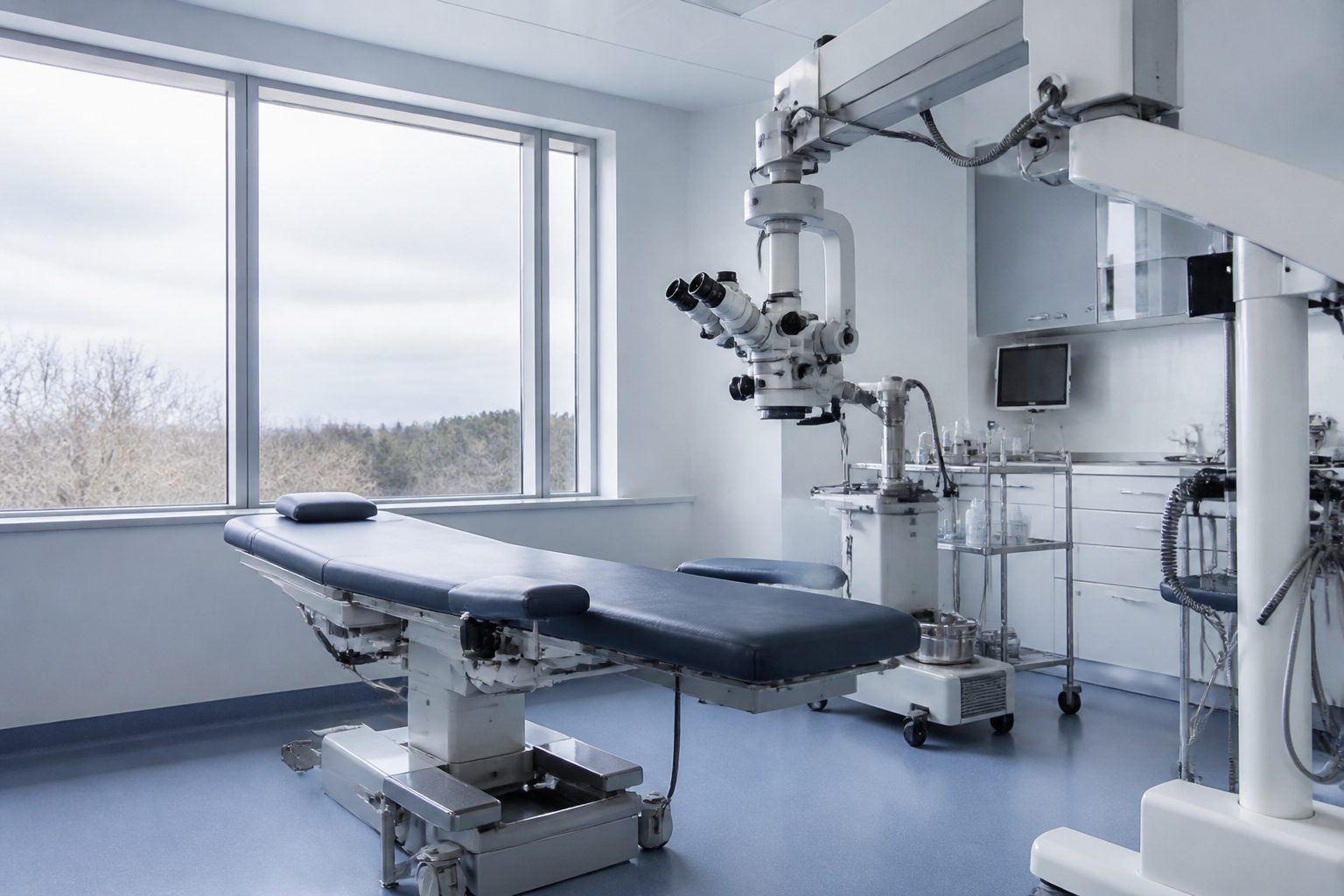
This guide is for anyone comparing cataract surgery costs and clinics in India, the UK, and the USA. If you’re considering private treatment—whether for affordability, speed, or quality—here’s what you need to know about price ranges, what’s included, and how to choose a reputable centre.
Prices for standard cataract surgery start from $400 (₹33,000) per eye in India, $2,200 (£1,700) per eye in the UK, and $3,800 in the USA. The final cost depends on your chosen lens, surgeon, and clinic. Below, we break down the details so you can make an informed decision.
Understanding cataract surgery and what’s included in the price
Cataract surgery removes the cloudy lens of the eye and replaces it with an artificial intraocular lens (IOL). The procedure is usually performed under local anaesthesia and takes 15–30 minutes per eye. Most clinics offer day surgery, allowing you to leave a few hours later. The price typically covers the surgeon’s fee, operating theatre costs, a standard monofocal lens, anaesthesia, and immediate post-operative care. However, it’s crucial to check exactly what’s included, as some clinics may charge separately for advanced lens types, pre-operative tests, or follow-up visits.
Monofocal lenses restore vision at one distance (usually far), while multifocal or toric lenses can correct presbyopia or astigmatism but cost significantly more. If you are considering premium lenses, ask for a detailed quote specifying the lens brand and model. Also, clarify the number of follow-up visits included and whether medications or eye drops are part of the package.
How cataract surgery costs compare: India, the UK, and the USA
Cataract surgery is among the most common eye procedures worldwide, but the price can vary dramatically between countries. Below is a summary of typical costs for private, self-pay patients in India, the UK, and the USA. These ranges are for standard, uncomplicated cases using a monofocal lens. If you have complicating factors (such as previous eye surgery, very dense cataracts, or coexisting eye disease), costs may be higher.
| Country | Cost per eye (monofocal lens) | Cost per eye (advanced lens) | What’s included |
|---|---|---|---|
| India | $400–$1,200 (₹33,000–₹1 lakh) | $900–$2,200 (₹75,000–₹1.8 lakh) | Surgery, standard lens, anaesthesia, 1–2 follow-ups |
| UK | $2,200–$4,000 (£1,700–£3,200) | $3,500–$6,000 (£2,700–£4,700) | Surgery, lens, anaesthesia, 1–2 follow-ups, some meds |
| USA | $3,800–$6,000 | $5,500–$8,500 | Surgery, lens, anaesthesia, 1 follow-up, basic aftercare |
What drives the price of cataract surgery
The cost of cataract surgery can vary dramatically between India, the UK, and the USA due to a combination of clinical, economic, and regulatory factors. One of the most significant determinants is the reputation and accreditation of the clinic. Well-known eye hospitals or multispecialty centers with high surgical volumes and advanced technology tend to charge more, especially in major Indian cities like Mumbai or Delhi, where international patient demand is strong. In the UK and USA, regulatory compliance, staff salaries, and malpractice insurance contribute to higher baseline costs.
- Surgeon experience: Highly experienced surgeons may charge premium fees, reflecting their expertise and track record. In some countries, you can choose your surgeon, while in others, you may be assigned a specialist based on availability.
- Lens selection: The type of intraocular lens (IOL) implanted is a major cost driver. Standard monofocal lenses are typically included in the base price, but premium lenses—such as multifocal, toric, or accommodating IOLs—can increase the cost by several hundred to several thousand dollars, particularly in the UK and USA.
- Technology and surgical method: Some clinics offer femtosecond laser-assisted cataract surgery (FLACS), which uses a laser instead of manual instruments for certain steps. This technology can add $500–$1,500 to the total cost and is more commonly available in private clinics in the USA and top-tier Indian hospitals.
- Diagnostics and aftercare: Advanced diagnostics like optical coherence tomography or corneal topography may be included or billed separately, especially in the USA. Comprehensive aftercare packages, which cover multiple follow-up visits and medications, are more common in the UK and USA and may raise the overall price.
In summary, prices are lowest in India due to reduced overheads and staff costs, but can rise significantly at internationally accredited centers. In the UK and USA, higher regulatory standards, insurance requirements, and enhanced aftercare drive up costs. Patients should weigh these factors alongside quality and safety when comparing options across countries.
Hidden costs and what may not be included
When comparing cataract surgery prices across India, the UK, and the USA, it’s crucial to understand that the advertised price may not reflect the true total cost. Many clinics—especially in the UK and USA—list a base fee for the surgery itself but exclude essential services. Common omissions include the initial consultation, advanced diagnostic tests (such as optical coherence tomography or corneal topography), pre-operative blood work, and specialized eye scans. Post-operative medications, protective eyewear, and the cost of additional follow-up visits may also be billed separately.
- Travel and accommodation: For international patients, expenses such as flights, airport transfers, local transportation, and hotel stays can add significantly to the total cost. In some cases, patients are advised to remain near the clinic for several days or weeks after surgery, which increases accommodation costs.
- Complications and extra procedures: While cataract surgery is generally safe, rare complications may require additional interventions. If you develop posterior capsule opacification (a common late complication), you may need a YAG laser capsulotomy, which is almost always charged as a separate procedure, often costing several hundred dollars or more in the UK and USA.
- Lens upgrades: Standard packages typically include a monofocal intraocular lens. If you desire a premium lens (multifocal, toric, or accommodating), expect a significant surcharge. These upgrades can double or triple the cost of surgery, especially in Western countries.
- Bilateral surgery pricing: Some clinics offer discounts if both eyes are operated on during the same visit, but many charge per eye. Always clarify if the quoted price is per eye or for both, and what the bilateral discount entails.
To avoid surprises, request a detailed, line-item quote from the clinic before committing. Insist on a written breakdown specifying what is included (consultations, surgery, lens type, medications, post-op care) and what is not. This transparency helps you budget accurately and compare offers between clinics and countries.
How to choose a clinic for cataract surgery
Choosing the right clinic for cataract surgery is a crucial decision, particularly for international or private patients seeking both affordability and high standards of care. Start by identifying clinics or hospitals with a strong reputation for eye surgery and transparent, all-inclusive pricing. In India, leading eye hospitals in metropolitan centers such as Chennai, Delhi, Mumbai, and Bengaluru are renowned for their surgical expertise, high patient volumes, and investment in modern equipment. Many of these institutions are accredited by the National Accreditation Board for Hospitals (NABH) or hold international certifications, providing added assurance for overseas patients.
- Clinic and surgeon credentials: Verify that your chosen clinic employs board-certified ophthalmologists with substantial experience in cataract surgery. Ask for the surgeon’s credentials, years of practice, and the number of procedures performed annually. High-volume surgeons typically achieve better outcomes and lower complication rates.
- Infection control and outcomes: Request data on the clinic’s infection rates and surgical outcomes. Reputable facilities are transparent about their safety record and should provide written documentation in English detailing your diagnosis, treatment plan, and expected outcomes.
- Location and accessibility: Consider the clinic’s proximity to airports, hotels, and other amenities, especially if you are traveling from abroad or have mobility challenges. Many top clinics offer airport transfers, assistance with accommodation, and dedicated international patient coordinators.
- Medical travel documentation: If you require a visa for medical treatment, large clinics in India and private hospitals in the UK and USA can provide supporting documents, appointment letters, and help with the visa application process.
- Patient support services: Look for clinics with English-speaking staff, clear communication channels, and robust support for pre- and post-surgical care. Some facilities offer telemedicine consultations for follow-up, which can be especially helpful for international patients.
Ultimately, the right clinic balances cost, quality, safety, and convenience. Take the time to compare options, read patient reviews, and communicate directly with the clinic to ensure you receive the best possible care for your cataract surgery.
How to save on cataract surgery safely
For patients seeking to reduce the cost of cataract surgery, traveling to India can offer significant savings—often up to 80% less than comparable procedures in the UK or USA. This cost reduction remains substantial even after accounting for international flights, accommodation, and incidental travel expenses. However, prioritizing safety and quality is essential when considering surgery abroad. Begin by researching clinics with established reputations for serving international patients. Many top Indian eye hospitals in cities like Chennai, Delhi, and Mumbai have dedicated international patient coordinators, English-speaking staff, and transparent protocols for infection control and patient safety. Look for facilities accredited by organizations such as NABH (National Accreditation Board for Hospitals) or those with international certifications.
- Verify credentials: Always confirm the surgeon’s qualifications, years of experience, and the clinic’s surgical outcomes. Online reviews and patient testimonials can offer valuable insights, but ask for references and documentation directly from the clinic as well.
- Companion travel: Traveling with a trusted companion is highly recommended, especially if you have other health conditions, are elderly, or have limited mobility. This provides added safety and support throughout your stay, from pre-operative visits to post-surgery recovery.
- Package deals: Ask about comprehensive packages that include pre-operative assessments, surgery for both eyes (bilateral surgery), post-operative medications, and follow-up appointments. Some clinics offer bundled pricing, which can further reduce overall costs. Clarify whether airport transfers, hotel stays, and translation services are included.
- Insurance considerations: If you are a UK or US resident, check with your health insurance provider to see if they will reimburse any part of the overseas procedure. Some plans allow partial reimbursement for out-of-country treatment, but require prior authorization and documentation.
- Avoiding risk: Never compromise on safety by choosing unlicensed clinics, or those unwilling to provide proof of accreditation or references. Avoid facilities with unclear infection control measures or those that refuse to share outcome data.
By taking these careful steps, you can safely access high-quality cataract surgery at a fraction of the cost, while minimizing risks associated with medical travel.
What to expect during the process
The process of cataract surgery, whether in India, the UK, or the USA, follows a series of well-defined steps designed to maximize safety and visual outcomes. Initially, you will undergo a comprehensive eye examination, which includes measurements of your eye’s length and shape to determine the most suitable intraocular lens (IOL) power. This pre-operative assessment may involve advanced imaging like optical coherence tomography or corneal topography, depending on your eye health and the clinic’s protocols.
Surgery is typically performed as a day case, meaning you return home the same day. Local anaesthetic is most commonly used, either as eye drops or a small injection around the eye, ensuring you remain comfortable and pain-free. The most common technique is phacoemulsification, where a tiny ultrasonic probe breaks up and removes the cloudy lens through a small incision. The surgeon then inserts a clear artificial lens tailored to your prescription and vision goals.
Most patients experience noticeable improvement in vision within 24 to 48 hours, though full stabilization may take a few weeks. After surgery, you will need to use prescribed eye drops—usually a combination of antibiotics and anti-inflammatory medications—for three to four weeks to prevent infection and aid healing. At least one follow-up appointment is essential to monitor your recovery and address any concerns.
- Recovery logistics: Plan to stay near the clinic for at least 2–4 days after each eye is treated, particularly if you have traveled internationally. This allows for prompt management of any early complications, such as infection or elevated eye pressure.
- Bilateral surgery timing: If both eyes require surgery, the timing varies by country and surgeon. In India, it’s common to operate on both eyes within a few days, while in the UK and USA, a gap of one to two weeks is often recommended. Your surgeon will advise the safest schedule based on your health and travel plans.
Throughout the process, clear communication with your surgical team is vital. Ensure you understand all instructions, and don’t hesitate to ask questions about aftercare, warning signs of complications, or travel restrictions during recovery.
Frequently asked questions
How long do I need to stay after cataract surgery abroad?
Most patients can travel home 2–4 days after surgery on each eye, provided there are no complications. If you’re having both eyes treated, ask your surgeon about the recommended interval and plan your stay accordingly. Always attend the first post-operative check before travelling.
Are premium lenses worth the extra cost?
Premium lenses, such as multifocal or toric IOLs, can reduce the need for glasses after surgery, especially for reading or astigmatism. However, they cost significantly more and may not suit everyone. Discuss your visual needs and budget with your ophthalmologist before deciding.
Is cataract surgery safe for medical tourists?
Cataract surgery is a routine procedure with high success rates worldwide. Choose an accredited clinic with experienced surgeons and clear infection control protocols. Ask for English-language documentation and make sure you have a plan for follow-up care after returning home.
What happens if I have a complication after returning home?
Minor issues can often be managed with medications prescribed at discharge. For serious complications, you may need to see a local ophthalmologist or return to the original clinic. Always keep a copy of your operative report and lens details for your home doctor.
Can I have both eyes operated on at the same time?
Some clinics offer same-day bilateral cataract surgery, but many prefer to treat one eye at a time to minimise risk. Discuss the options and timing with your surgeon, especially if you are travelling from overseas and have limited time.
Related guides
Disclaimer: Prices and package details are indicative and vary by individual case, location, clinic, and lens choice. Always request a personalised written quote and consult a qualified ophthalmologist before making any medical decisions.