
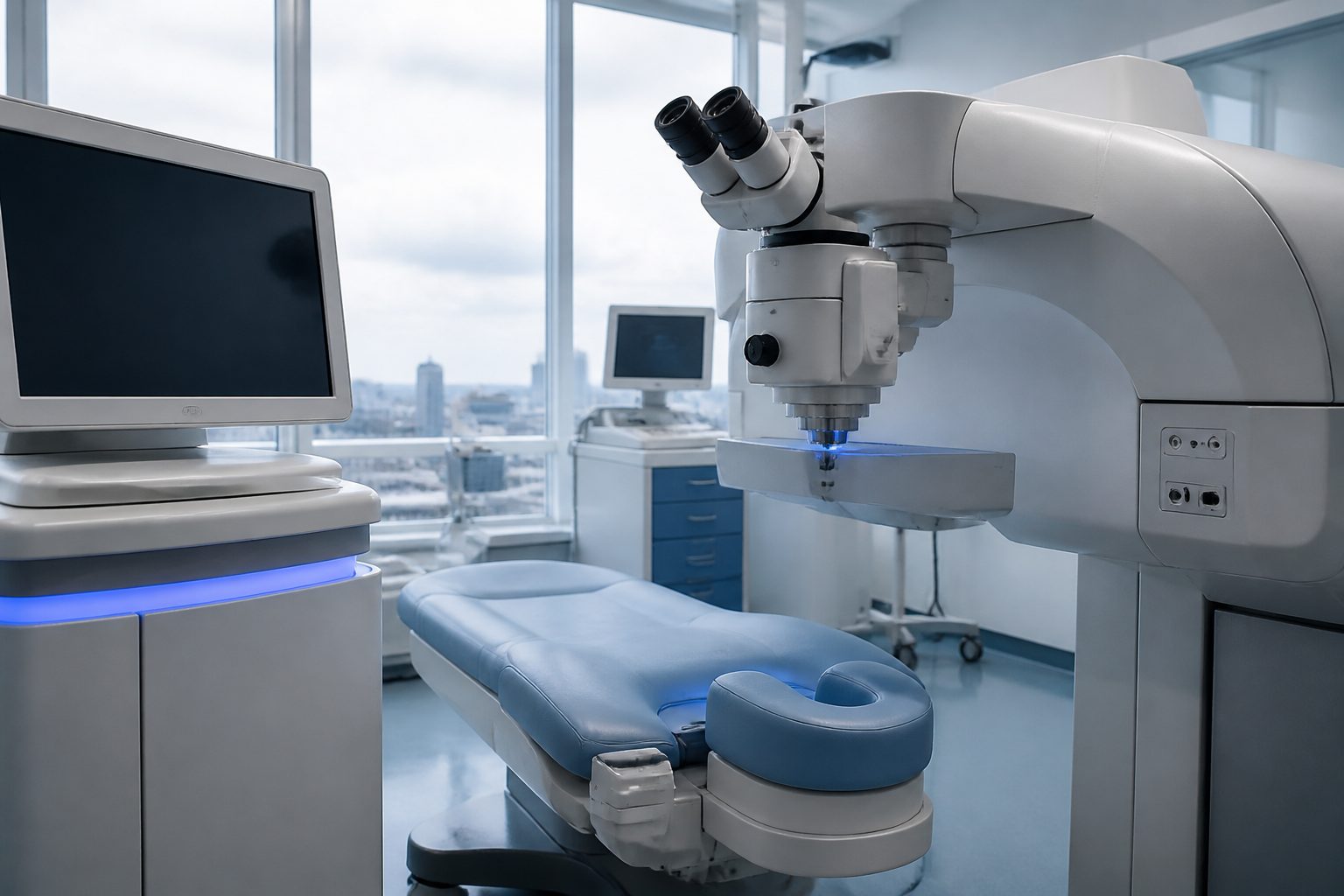
SMILE (Small Incision Lenticule Extraction) eye surgery is a popular alternative to LASIK, offering a minimally invasive option for vision correction. Patients considering treatment abroad can save thousands of dollars, but prices and standards vary widely between Asia and Europe.
This guide is for patients and families comparing SMILE surgery costs and inclusions across major medical-travel destinations. Expect to pay $900-$1,800 in Asia and $1,600-$2,800 in Europe, depending on the country and clinic.
What is SMILE eye surgery and who is it for?
SMILE (Small Incision Lenticule Extraction) is a state-of-the-art laser vision correction procedure designed to treat common refractive errors such as myopia (nearsightedness) and astigmatism. Unlike traditional LASIK, which creates a large corneal flap, SMILE uses a femtosecond laser to sculpt a tiny, lens-shaped piece of tissue (called a lenticule) within the cornea. This lenticule is then removed through a small incision—typically less than 4mm—preserving more of the cornea’s natural strength and minimizing disruption to the eye’s surface nerves.
The advantages of SMILE over older techniques are significant. It typically results in less post-operative dry eye, a lower risk of flap-related complications, and a faster visual recovery for many patients. The procedure is minimally invasive, with most patients returning to normal activities within a few days.
Who is a good candidate?
- Adults aged 18+ with stable vision for at least 1–2 years.
- Myopia (up to about -10 diopters) and/or mild-to-moderate astigmatism.
- Healthy eyes with adequate corneal thickness and no significant corneal disease.
However, SMILE is not suitable for everyone. People with severe dry eye, very thin corneas, keratoconus, or certain autoimmune or ocular diseases are generally advised against the procedure. Pregnant or breastfeeding women are also typically excluded due to hormonal changes affecting vision stability. A comprehensive eye exam, including corneal topography and thickness measurement, is essential before proceeding. Always consult a qualified ophthalmologist to determine if SMILE is appropriate for your individual needs and eye health.
How much does SMILE surgery cost? Asia vs Europe overview
SMILE surgery prices depend on the country, clinic reputation, surgeon experience, and included services. Asia offers some of the lowest global prices, especially in India and Turkey, while Western Europe tends to be at the higher end. Most clinics charge per eye, but some offer package deals. Below you’ll find a comparison of typical price ranges for SMILE surgery in popular destinations.
| Country | Typical cost per eye (USD) | Local currency | Inclusions |
|---|---|---|---|
| India | $900-$1,100 (₹75,000-90,000) | INR | Consultation, surgery, 1-2 follow-ups, basic meds |
| Turkey | $1,000-$1,400 (₺32,000-44,000) | TRY | Consultation, surgery, 1-2 follow-ups, meds, transfers (in some clinics) |
| Thailand | $1,400-$1,700 (฿50,000-60,000) | THB | Consultation, surgery, post-op care, basic meds |
| Malaysia | $1,400-$1,800 (RM6,500-8,000) | MYR | Consultation, surgery, follow-ups, basic meds |
| Singapore | $2,000-$2,400 (S$2,700-3,200) | SGD | Consultation, surgery, 1-2 follow-ups |
| Germany | $2,000-$2,500 (€1,850-2,300) | EUR | Consultation, surgery, post-op care |
| Spain | $1,800-$2,200 (€1,650-2,000) | EUR | Consultation, surgery, follow-ups |
| UK | $2,200-$2,800 (£1,700-2,200) | GBP | Consultation, surgery, 1-2 follow-ups |
What is included in SMILE surgery packages abroad?
Most SMILE surgery packages include the initial consultation, the surgical procedure itself, and one or two post-operative visits. Basic medications such as antibiotic and lubricating eye drops are commonly provided. In Turkey and Thailand, some clinics also offer airport transfers or hotel accommodation as part of a bundled deal for international patients. However, premium options—such as upgraded lenses, additional follow-ups, or extended aftercare—may cost extra. Always check what is and isn’t covered in the quoted price, especially regarding pre-surgery eye scans, extra medications, and emergency care if needed.
Hidden costs and what is not included
Although the base price for SMILE surgery abroad may seem appealing, it often does not reflect the total amount you will pay. Many clinics advertise a low headline price, but additional costs can accumulate quickly. Essential pre-surgery tests, such as corneal mapping, retinal scans, and comprehensive eye exams, are sometimes excluded from the package and can add $100–$400 to your bill. Post-operative medications, including antibiotic and anti-inflammatory eye drops, may be offered separately. If complications arise, follow-up treatments or enhancements are rarely included, and costs for these can vary widely.
Travel-related expenses are another major hidden cost. Most clinics do not include airfare, airport transfers, local transportation, accommodation, or meals in their packages. In popular destinations like Istanbul or New Delhi, these costs can add several hundred to over a thousand dollars, depending on your preferences and length of stay. If you require a travel companion or prefer higher-end lodging, expect to pay more.
Insurance is a key consideration. Outside the European Union, it is uncommon for clinics to provide insurance covering post-surgical complications. In the EU, some clinics may include a limited warranty, but you should always confirm the details. If you need follow-up care after returning home, this is almost never covered by the overseas clinic and may require additional out-of-pocket expenses at local providers.
Finally, be cautious of prices that seem too good to be true. Extremely low costs may indicate the use of outdated technology, less experienced surgeons, or minimal aftercare—all of which can compromise your safety and results. Always request a detailed breakdown of what is and is not included, and confirm all terms in writing before making any payments.
How to compare clinics and surgeons
When comparing clinics, focus on experience with SMILE specifically, not just LASIK. Ask how many SMILE procedures the surgeon has performed, and look for clinics that use the latest Zeiss VisuMax femtosecond laser—the only platform currently approved for SMILE. International accreditations like JCI (Joint Commission International) are worth noting, especially in Asia. Patient coordinators should be able to provide clear written quotes, answer questions about inclusions and aftercare, and arrange for language support if needed. Genuine patient reviews and testimonials can offer insights but should not replace verification of surgeon credentials.
Cost-saving tips for safe SMILE surgery abroad
Saving money on SMILE eye surgery abroad is possible, but it requires careful planning and attention to safety. To start, avoid clinics that advertise prices far below the national average or pressure you to book immediately—these may cut corners on technology, sterilization, or aftercare. Instead, research clinics with strong reputations, verified patient reviews, and experienced surgeons. Look for seasonal promotions or bundled packages from established hospitals, especially during off-peak travel months, but always check exactly what is included in the price.
- Combine procedures cautiously: Some patients may be eligible to combine SMILE with procedures like PRK or LASIK for the other eye, which can reduce overall costs. However, this should only be done if medically appropriate and recommended by a trusted ophthalmologist.
- Book flights and accommodation early: Airfare and hotel prices fluctuate, so booking well in advance can lead to significant savings. Consider staying in business hotels or serviced apartments near the clinic for convenience and comfort.
- Group or bilateral discounts: In many Asian countries, clinics offer discounts for bilateral (both eyes) surgery or for groups of patients booking together. Ask about these options, but ensure that the savings do not come at the expense of safety or quality.
- Travel insurance: Purchase a travel insurance policy that specifically covers medical tourism and post-surgical complications. This is especially important if you are traveling outside the EU, where legal protections may be limited.
Before committing, always request a detailed written quote, including all pre- and post-operative care, medications, and follow-up visits. Compare several clinics and don’t hesitate to ask questions about the technology used, surgeon credentials, and infection rates. Remember, the cheapest option is not always the safest—prioritize your health and long-term vision outcomes above all else.
Risks, safety, and aftercare for international patients
SMILE eye surgery is widely regarded as safe, with a low rate of serious complications, but it is still a surgical procedure and carries some risks. Common side effects include temporary dry eye, glare, halos around lights, or mild discomfort. More serious complications, such as infection, inflammation, or under- or over-correction of vision, are rare but possible. The risk profile is similar across most countries where SMILE is performed, provided the clinic uses modern equipment and follows strict sterilization protocols.
For international patients, additional challenges arise. Traveling soon after surgery can be uncomfortable due to light sensitivity and the need to avoid dust or crowded environments. Most reputable clinics recommend that patients remain in the city for at least 2–3 days after the procedure to allow for an initial follow-up and to monitor for early complications. If possible, plan your trip to include flexibility for additional days in case of delayed healing or minor issues.
- Aftercare support: Leading clinics provide detailed written instructions on post-operative care, including how to use prescribed eye drops, what activities to avoid (such as swimming or heavy exercise), and warning signs of complications.
- Emergency contacts: Make sure you receive a direct phone number or email for urgent questions or concerns, and clarify how to access care if you experience problems after returning home.
- Pre-surgery preparation: If you wear contact lenses, you’ll need to discontinue use for 1–2 weeks before your initial assessment to ensure accurate measurements. Bring copies of any previous eye health records or prescriptions to help your surgeon plan the safest approach.
- Arranging follow-up care: Before traveling, identify an eye doctor at home who is willing to provide post-surgical checkups. Some international clinics offer remote consultations or partner with local optometrists for ongoing care.
Ultimately, the key to a safe experience is thorough preparation: choose a clinic with a strong track record, follow all aftercare instructions, and ensure you have a clear plan for follow-up both abroad and at home. Never hesitate to ask questions or seek a second opinion if you have concerns about your safety or results.
The bottom line: Is SMILE worth it abroad?
For many people seeking vision correction, traveling abroad for SMILE eye surgery can offer a compelling mix of affordability, safety, and quality—especially for those who must pay out of pocket or lack comprehensive insurance at home. The cost differences are significant: India and Turkey consistently offer the lowest prices for SMILE, often ranging from $900 to $2,000 per eye, thanks to lower labor costs, government incentives for medical tourism, and a high volume of procedures. Southeast Asian destinations like Thailand and Malaysia are also popular for competitive pricing and English-speaking staff.
By contrast, undergoing SMILE in European countries such as Germany or the UK can cost $2,500 to $4,000 per eye, reflecting higher operational costs, stricter regulatory standards, and the perceived prestige of European clinics. Singapore stands out in Asia with prices close to Europe, justified by rigorous health regulations and a reputation for medical excellence.
Ultimately, the best choice depends on several factors: your available budget, comfort with traveling long distances, and how much you value aftercare and regulatory oversight. Patients with complex eye conditions or those who want robust legal protections may lean toward European clinics, while cost-sensitive patients often choose Asia. Regardless of destination, it’s crucial to compare clinics based on surgeon experience, technology used, infection rates, and aftercare—not just price. Request detailed written quotes, clarify exactly what is included, and ensure you understand the local standards for safety and follow-up. With careful research and planning, SMILE abroad can be a safe and cost-effective way to achieve clearer vision.
Frequently asked questions
How long do I need to stay after SMILE surgery abroad?
Most clinics recommend staying at least 2-3 days after surgery for initial follow-up and to monitor healing. Some patients choose to stay a week, particularly if traveling long distances, to ensure any early complications can be addressed before returning home.
Is SMILE surgery painful, and how soon can I see results?
SMILE surgery is not painful as numbing drops are used. Patients may feel mild discomfort or scratchiness for a day or two. Vision typically improves within 24-48 hours, but it may take several weeks for full clarity and stability.
Are there any age restrictions for SMILE surgery?
Most surgeons recommend SMILE for adults aged 18 and older with stable vision for at least one year. There is no strict upper age limit, but suitability depends on overall eye health and the absence of certain eye diseases.
Can I have both eyes treated in one session?
Yes, most patients have both eyes treated during the same session. This is common practice and does not significantly increase risk, but your surgeon will confirm suitability during assessment.
Is SMILE approved in the USA and Europe?
SMILE is FDA approved in the USA and widely used in Europe, as well as in Asia. The technology is considered safe when performed by experienced surgeons using approved equipment.
Related guides
Disclaimer: Prices are indicative and vary by individual case, surgeon, and hospital. Always request a written quote and consult a qualified ophthalmologist before making any decisions about SMILE surgery abroad.