
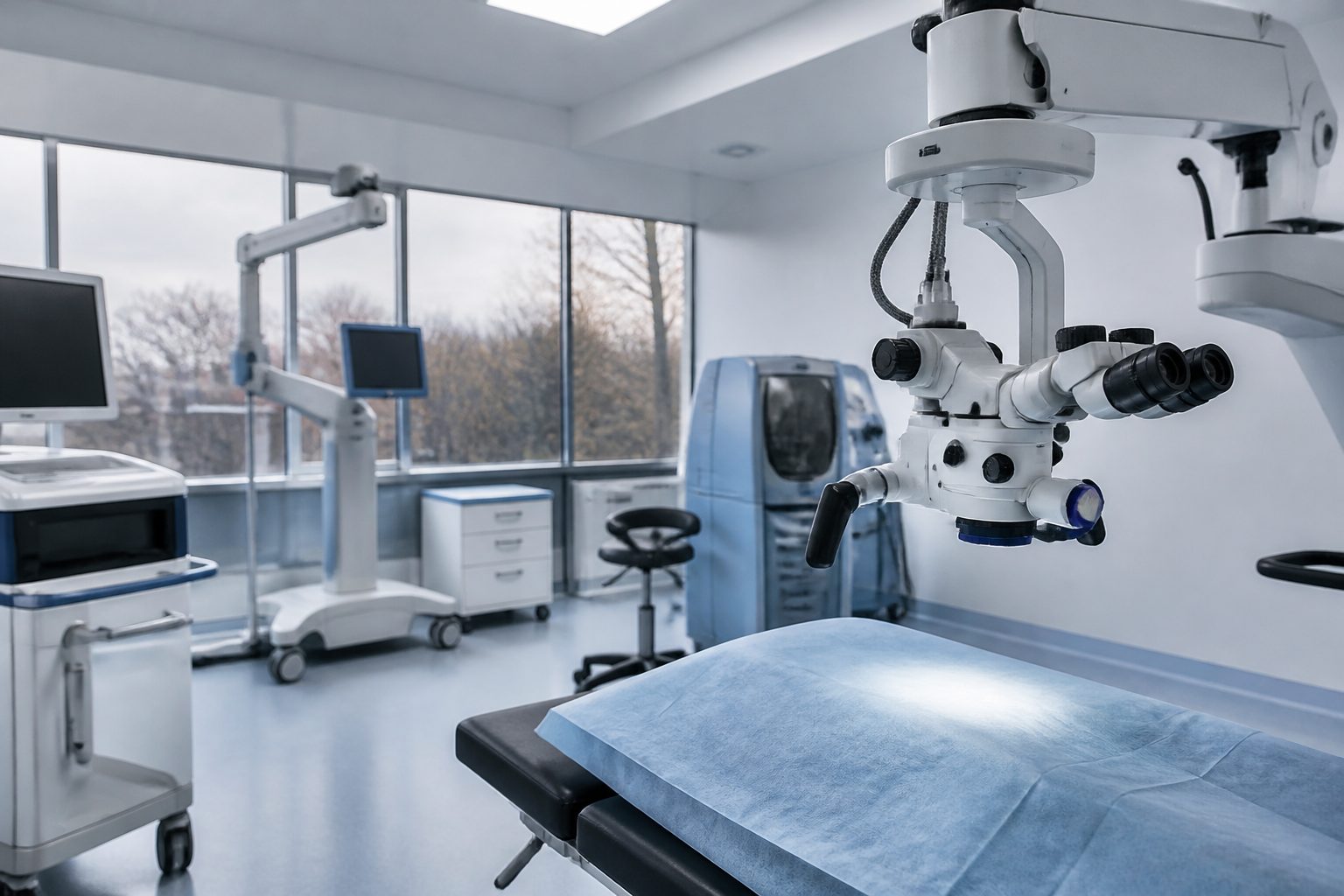
This guide is for patients and families considering cataract surgery in Asia. It compares leading hospitals, outlines what each is known for, and summarizes typical costs at each facility.
Cataract surgery in Asia ranges from $150 at high-volume centers in India to $6,000 at premium hospitals in Hong Kong. Costs depend on the hospital, lens type, surgeon’s experience, and extras such as pre-surgery testing. Below, we detail what to expect at 15 top eye hospitals across the region.
How we chose these
The hospitals in this list are included based on their specialty in cataract surgery, surgical volume, reputation for quality, and where available, international accreditations such as JCI or NABH. We also considered transparency in pricing and the presence of dedicated international patient services, which are important for families traveling for care.
1. Aravind Eye Hospital, Madurai
Aravind Eye Hospital is one of the world’s largest providers of cataract surgery, known for its high-volume, efficient care and focus on affordability. The hospital attracts patients from across India and overseas, particularly those seeking quality outcomes at low cost. International patients will find English-speaking coordinators and streamlined pre- and post-op care.
Indicative cost: $150-$1,000
2. LV Prasad Eye Institute, Hyderabad
LV Prasad Eye Institute is a leader in advanced cataract procedures and ophthalmic research. It offers a wide range of lens options and custom surgical plans, making it suitable for complex cases and those wanting the latest technology. The institute has an active international patient desk and transparent billing.
Indicative cost: $300-$2,000
3. Moorfields Eye Hospital Dubai, Dubai
Moorfields Eye Hospital Dubai brings UK expertise to the Middle East, offering premium cataract surgery with British-trained consultants. It is a preferred center for patients from the Gulf and beyond seeking high standards and international protocols. The hospital offers interpreters and comprehensive aftercare packages.
Indicative cost: $2,500-$5,000
4. Singapore National Eye Centre (SNEC), Singapore
SNEC is Singapore’s flagship eye hospital, known for leading-edge cataract surgery and subspecialty care. It serves local and international patients, with a dedicated international office to assist with logistics and documentation. The center is suitable for those seeking advanced lens options and minimal wait times.
Indicative cost: $2,000-$4,000
5. Shroff Eye Centre, New Delhi
Shroff Eye Centre is well regarded for cataract and lens implant surgery, with a focus on safety and patient education. It offers a range of intraocular lenses and employs experienced surgeons. International patients benefit from assistance with travel and accommodation arrangements.
Indicative cost: $400-$2,000
6. Bangkok Hospital Eye Center, Bangkok
This modern eye center caters to international patients seeking cataract surgery in Thailand. It offers phacoemulsification and laser cataract techniques using advanced technology. English-speaking staff help coordinate care, and the hospital is located near major hotels and transport links.
Indicative cost: $2,000-$3,500
7. Kim’s Eye Hospital, Seoul
Kim’s Eye Hospital is among South Korea’s largest eye facilities, known for its expertise in advanced cataract techniques and high patient volumes. The hospital provides tailored care for both local and international patients, with interpreters and a dedicated foreign patient center.
Indicative cost: $2,000-$4,000
8. Tung Shin Hospital Eye Specialist Centre, Kuala Lumpur
Tung Shin offers affordable and quality cataract surgery options in Malaysia. The center is known for experienced surgeons and transparent pricing. International patients, especially from Southeast Asia, appreciate the straightforward process and central location in Kuala Lumpur.
Indicative cost: $1,000-$2,500
9. Narayana Nethralaya, Bengaluru
Narayana Nethralaya provides comprehensive cataract care with a focus on innovation and patient safety. The hospital is equipped for complex cases and offers a variety of lens choices. International patients are supported by a dedicated desk that assists with medical visas and appointments.
Indicative cost: $300-$1,500
10. Aier Eye Hospital, Shanghai
Aier Eye Hospital is China’s largest private eye hospital chain, offering modern cataract surgery options and advanced diagnostics. It is suitable for both local and international patients. The hospital’s Shanghai branch provides English-speaking coordinators and efficient scheduling for overseas visitors.
Indicative cost: $1,500-$3,500
11. Asg Eye Hospital, Jaipur
ASG Eye Hospital is a growing network in India, known for its strong reputation in cataract surgery and affordable care. The Jaipur branch provides modern surgical facilities and a range of lens options. International patients receive assistance with travel and accommodation if needed.
Indicative cost: $200-$1,200
12. Dr. Agarwal’s Eye Hospital, Chennai
Dr. Agarwal’s Eye Hospital is a pioneer in cataract techniques, with a large network of centers across India. The Chennai facility is equipped for routine and complex cases, offering a variety of intraocular lenses. International patients benefit from clear pricing and English-speaking staff.
Indicative cost: $300-$1,500
13. Kobe Kanagawa Eye Clinic, Tokyo
Kobe Kanagawa Eye Clinic specializes in advanced cataract surgery using Japanese technology. The clinic serves patients seeking precise outcomes and the latest lens options. International patients can request English-language support and are guided through the pre- and post-operative process.
Indicative cost: $2,500-$5,000
14. Hong Kong Sanatorium & Hospital Eye Centre, Hong Kong
This eye center is part of a leading private hospital in Hong Kong, known for comprehensive eye care and advanced cataract surgery. The facility uses the latest technology and offers a wide selection of premium lenses. International patients are supported with tailored care and transparent billing.
Indicative cost: $3,000-$6,000
15. Rutnin Eye Hospital, Bangkok
Rutnin Eye Hospital is a respected name in Thailand for advanced cataract surgery and comprehensive ophthalmic care. The hospital attracts both local and regional patients, offering experienced surgeons and a variety of lens choices. International patient coordinators assist with logistics and recovery planning.
Indicative cost: $1,200-$2,500
| Rank | Hospital | City | Known for | Indicative cost |
|---|---|---|---|---|
| 1 | Aravind Eye Hospital | Madurai | High-volume, affordable cataract surgery | $150-$1,000 |
| 2 | LV Prasad Eye Institute | Hyderabad | Advanced cataract procedures, research | $300-$2,000 |
| 3 | Moorfields Eye Hospital Dubai | Dubai | International expertise, premium cataract care | $2,500-$5,000 |
| 4 | Singapore National Eye Centre (SNEC) | Singapore | Leading eye care, advanced cataract surgery | $2,000-$4,000 |
| 5 | Shroff Eye Centre | New Delhi | Reputed for cataract and lens implant surgery | $400-$2,000 |
| 6 | Bangkok Hospital Eye Center | Bangkok | Modern cataract surgery, international patients | $2,000-$3,500 |
| 7 | Kim’s Eye Hospital | Seoul | Large volume, advanced cataract techniques | $2,000-$4,000 |
| 8 | Tung Shin Hospital Eye Specialist Centre | Kuala Lumpur | Affordable, quality cataract surgery | $1,000-$2,500 |
| 9 | Narayana Nethralaya | Bengaluru | Comprehensive cataract care, innovation | $300-$1,500 |
| 10 | Aier Eye Hospital | Shanghai | China’s largest private eye hospital chain | $1,500-$3,500 |
| 11 | Asg Eye Hospital | Jaipur | Network with strong cataract surgery reputation | $200-$1,200 |
| 12 | Dr. Agarwal’s Eye Hospital | Chennai | Pioneering cataract techniques, large network | $300-$1,500 |
| 13 | Kobe Kanagawa Eye Clinic | Tokyo | Advanced cataract surgery, Japanese technology | $2,500-$5,000 |
| 14 | Hong Kong Sanatorium & Hospital Eye Centre | Hong Kong | Comprehensive eye care, advanced cataract surgery | $3,000-$6,000 |
| 15 | Rutnin Eye Hospital | Bangkok | Advanced cataract surgery and comprehensive ophthalmic care | $1,200-$2,500 |
What drives the price of cataract surgery in Asia?
The cost of cataract surgery across Asia is influenced by a complex interplay of medical, technological, and regional factors. One of the most significant drivers is the type of intraocular lens (IOL) chosen. Standard monofocal lenses are generally included in the base price, while premium lenses—such as multifocal, extended depth-of-focus, or toric IOLs—can substantially increase the total cost. Patients seeking spectacle independence after surgery often opt for these advanced lenses, which are priced higher due to their technology and import costs.
The surgeon’s experience and reputation also play a role. Highly sought-after surgeons or those at top-tier hospitals may command higher fees. The use of advanced surgical techniques, such as femtosecond laser-assisted cataract surgery (FLACS), adds to the cost due to the expense of the equipment and the need for specialized training.
Geographic location is another major factor. Private hospitals in major metropolitan areas like Singapore, Tokyo, or Hong Kong tend to charge more, reflecting higher overhead costs, stringent regulatory requirements, and a focus on premium patient experiences. In contrast, hospitals in India, Thailand, or Malaysia can offer lower prices, often due to lower labor and infrastructure costs, as well as government incentives for medical tourism.
Additional expenses may include pre-operative evaluations (like biometry, corneal scans, or blood tests), anesthesia (local, topical, or general), medications, and post-operative follow-up visits. Some hospitals offer bundled packages, while others bill each service separately. Internationally accredited centers may also include extra fees for translation, concierge services, or expedited scheduling.
Ultimately, the price of cataract surgery in Asia depends on a combination of lens choice, surgeon expertise, technology used, hospital status, and the level of personalized care provided. Patients should carefully compare options and request detailed breakdowns to understand what they are paying for and ensure value for money.
How to choose the best hospital for you
Selecting the right hospital for cataract surgery in Asia requires careful consideration of several key factors. First and foremost, assess the expertise and experience of the surgical team. Look for hospitals with board-certified ophthalmologists who have performed a high volume of cataract procedures, as higher surgical volume is linked to better outcomes and lower complication rates. Internationally accredited hospitals or those affiliated with well-known medical universities often maintain rigorous standards of care.
Next, consider whether the hospital offers the type of intraocular lens you prefer—such as monofocal, multifocal, or toric lenses—and whether they provide advanced surgical options like femtosecond laser cataract surgery. If you have other eye conditions (like glaucoma or diabetic retinopathy) or complex health needs, choose a center with comprehensive ophthalmic services and access to multidisciplinary care.
Transparency in pricing is crucial. Some hospitals, especially in India and Thailand, offer package deals that bundle surgery, lens, pre-op tests, medications, and follow-up visits. Others, particularly in Singapore or Japan, may bill each component separately. Always request a detailed quote and ask for clarification on what is included.
For international patients, additional considerations include the hospital’s experience with foreign patients, availability of English-speaking staff, and assistance with travel logistics. Check online reviews, patient testimonials, and international rankings where available. If possible, contact former patients or seek recommendations from your local ophthalmologist.
- Research surgeon credentials and hospital accreditation.
- Confirm availability of your preferred lens and surgical technique.
- Request a full, written breakdown of all costs.
- Consider location, ease of travel, and support services for international patients.
By weighing these factors, you can choose a hospital that matches your clinical needs, budget, and personal preferences, ensuring a safe and satisfactory cataract surgery experience in Asia.
What is included in the price, and what is not?
Understanding what is covered in the quoted price for cataract surgery is essential when comparing hospitals across Asia. Typically, the base price includes the surgeon’s professional fee, use of the operating theater, a standard monofocal intraocular lens (IOL), and immediate post-operative care such as the first follow-up visit and initial medications. This basic package is often sufficient for most patients and represents the advertised cost at many hospitals in India, Thailand, and Malaysia.
However, several important items are commonly excluded from the base price. Premium IOLs, such as multifocal or toric lenses designed to correct astigmatism or presbyopia, are almost always billed separately and can add several hundred to over a thousand dollars to the total cost. Advanced surgical techniques, like femtosecond laser-assisted cataract surgery (FLACS), also come at a premium. Comprehensive pre-operative investigations—such as detailed eye scans, blood tests, or anesthesiologist consultations—may be additional charges, especially in private or internationally accredited centers.
Other possible exclusions include extended hospital stays (if required), extra medications, and the cost of managing any complications. In countries like Singapore or Japan, where healthcare regulations and standards are particularly high, even routine follow-up visits or post-op medications may be itemized separately. To avoid surprises, patients should always request a detailed, itemized quote before scheduling surgery, and clarify which elements (lenses, tests, medications, follow-up care) are included in the price and which are not.
Hidden costs and how to save safely
When budgeting for cataract surgery in Asia, it’s important to look beyond the advertised base price and consider potential hidden costs that can add up quickly. Common extras include advanced eye scans (like corneal topography or optical coherence tomography), upgraded intraocular lenses (such as multifocal or toric IOLs), and additional medications for pre- or post-operative care. Some hospitals may also charge separately for anesthesia, surgical disposables, or unexpected follow-up visits if complications arise.
International patients should factor in non-medical expenses such as visa fees, airfare, local transportation, and accommodation—costs that vary significantly depending on the country and city. In places like Singapore and Japan, the cost of living is higher, so these ancillary expenses can be substantial. Additionally, some hospitals offer optional services like airport transfers, translation, or concierge assistance, which may be bundled into premium packages or charged separately.
To save money without compromising safety, consider the following steps:
- Request all-inclusive packages: Many reputable hospitals, especially in India and Thailand, offer bundled deals that cover surgery, basic lens, pre-op tests, medications, and follow-up visits. These can simplify planning and reduce the risk of surprise charges.
- Clarify all charges upfront: Ask for a written, itemized quote and confirm which services are included. Don’t hesitate to question any ambiguous fees.
- Avoid unnecessary upgrades: Only opt for premium lenses or advanced surgical techniques if recommended by your surgeon for your specific needs.
- Choose high-volume, reputable hospitals: Facilities with a strong track record and efficient processes often deliver high-quality care at lower overall costs due to economies of scale.
By being proactive and asking the right questions, patients can minimize hidden costs and ensure a safe, affordable cataract surgery experience in Asia.
Planning your trip for cataract surgery
Plan to spend at least 5-7 days in the city: typically, you’ll need a pre-op assessment, the surgery itself, and a post-op check within a few days. Some hospitals offer remote follow-up, but it’s safest to stay nearby for at least a few days after surgery. Arrange accommodation close to the hospital and clarify local transport options. If traveling alone, check if the hospital can provide support during your recovery period.
Tips for international patients
Bring all relevant medical records, especially previous eye prescriptions and reports. Check if the hospital provides English-speaking coordinators and if they can help with visa letters. Confirm payment methods in advance, as some hospitals require upfront payment. If you have specific lens preferences, discuss these at the initial consultation and confirm the model is available. Review travel insurance policies for coverage of elective eye surgery abroad.
Bottom line: Is cataract surgery in Asia worth it?
When considering cataract surgery in Asia, patients benefit from a wide spectrum of choices, both in terms of cost and quality. Countries like India and Thailand are well-known for offering highly affordable procedures, with costs often ranging from a few hundred to just over a thousand US dollars for standard surgery, compared to several thousand dollars in the US or Europe. At the other end of the spectrum, premium destinations such as Singapore, Japan, and Hong Kong provide high-end surgical experiences, with internationally accredited hospitals, English-speaking staff, and access to the latest technologies, albeit at higher prices.
Most leading hospitals in Asia cater specifically to international patients, offering transparent, upfront pricing and assistance with travel logistics. However, patients need to be diligent: carefully research the hospital’s reputation, surgeon’s credentials, and patient reviews. Seek out centers with a high volume of cataract surgeries, as these often have streamlined processes and lower complication rates. Always ask for detailed written quotes, clarifying what is included and excluded in the package.
For those willing to travel and plan ahead, cataract surgery in Asia can deliver excellent clinical outcomes at a fraction of Western costs. The savings can be significant, even after factoring in flights and accommodation. By choosing experienced surgeons and reputable hospitals, and by avoiding unnecessary extras or upgrades, patients can achieve safe, effective results. In summary, with careful selection and preparation, cataract surgery in Asia is not only cost-effective but also offers access to world-class care for those seeking value and quality.
Frequently asked questions
How long does it take to recover from cataract surgery?
Most patients experience improved vision within a day or two, but full recovery can take up to 4-6 weeks. You may need to use eye drops and avoid strenuous activity for a short period. Follow your doctor’s instructions for the safest outcome.
Are premium lenses worth the extra cost?
Premium lenses, such as multifocal or toric IOLs, can reduce dependence on glasses after surgery. They cost more but may be worth it for those wanting greater visual freedom. Discuss your lifestyle and expectations with your surgeon before deciding.
Is cataract surgery painful?
Cataract surgery is usually painless. Most centers use local anesthesia with sedation, so you’ll be awake but comfortable. Some patients report mild discomfort or grittiness in the eye for a day or two after the procedure.
Will I need someone to accompany me for the surgery?
It is advisable to have someone with you, as your vision may be blurry immediately after surgery. Some hospitals offer assistance for solo travelers, but having a companion is helpful for transport and support during the early recovery period.
Can both eyes be done at the same time?
Many hospitals prefer to operate on one eye at a time, with a gap of days or weeks between surgeries. In some cases, both eyes may be treated in a single visit if clinically appropriate. Discuss the best approach with your surgeon based on your situation.
Related guides
Disclaimer: Prices listed are indicative and vary by case, lens type, and hospital policy. Always obtain a detailed written quote and consult a qualified ophthalmologist before making decisions about cataract surgery abroad.